



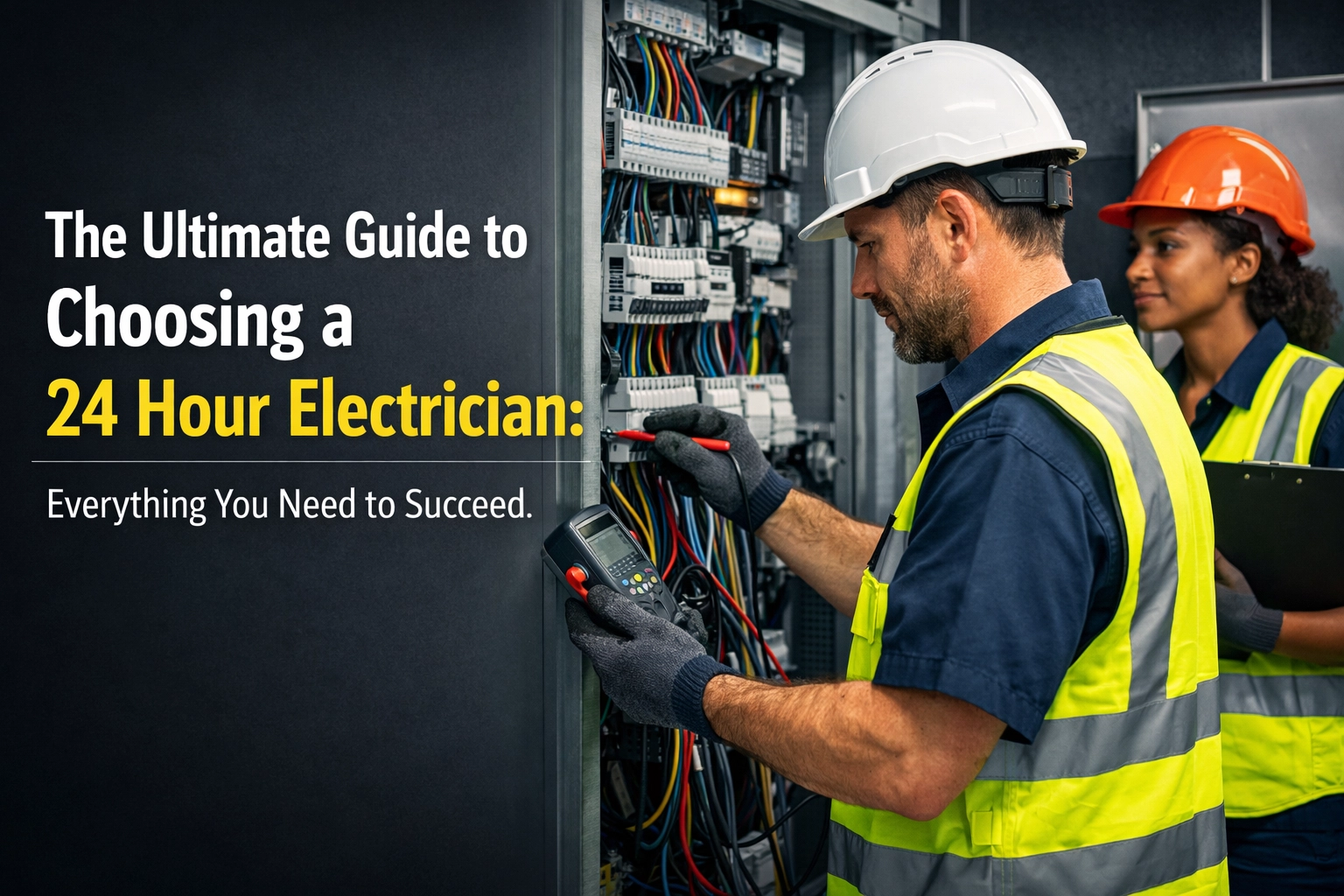
Hi there! Imagine it’s 2:00 AM on a humid Tuesday in Florida. You’re sound asleep when suddenly, the hum of the air conditioning cuts out. You stumble into the kitchen for a glass of water, only to realize the lights won’t turn on, and there’s a faint, acrid smell of ozone drifting from the hallway. In that moment of panic, you aren’t just looking for any repairman: you’re looking for a lifesaver.
Electrical emergencies don’t keep business hours, and in the Sunshine State, where our power grids face constant pressure from tropical storms and high cooling demands, knowing how to find a reliable 24 hour electrician is a survival skill. Whether you're a homeowner, a realtor trying to close a deal, or a contractor on a tight deadline, this guide will walk you through everything you need to know to navigate an electrical crisis with confidence.
What Actually Qualifies as an Electrical Emergency?
Before you hit "call" on the first "electrician near me" you find on Google, it’s helpful to know if you’re facing a true emergency or something that can wait until Monday morning. While any electrical issue feels urgent, some are genuine safety hazards.
1. The Smell of Burning Plastic or Ozone
If you smell something burning but can't find a fire, it’s likely your wiring. This often indicates that insulation is melting due to an overloaded circuit or a loose connection. This is a primary cause of house fires and requires an immediate call to an emergency electrician.
2. A Circuit Breaker That Keeps Tripping
If your circuit breaker keeps tripping even after you’ve unplugged the toaster or the hair dryer, your panel is trying to tell you something. It could be a short circuit or a sign that your system is critically overloaded.
3. Partial Power Loss
If half your house has power and the other half doesn’t, you might have a dropped "leg" of power coming from the utility or a serious issue in your main panel. This isn't just an inconvenience; it can damage your appliances.
4. Buzzing or Humming Noises
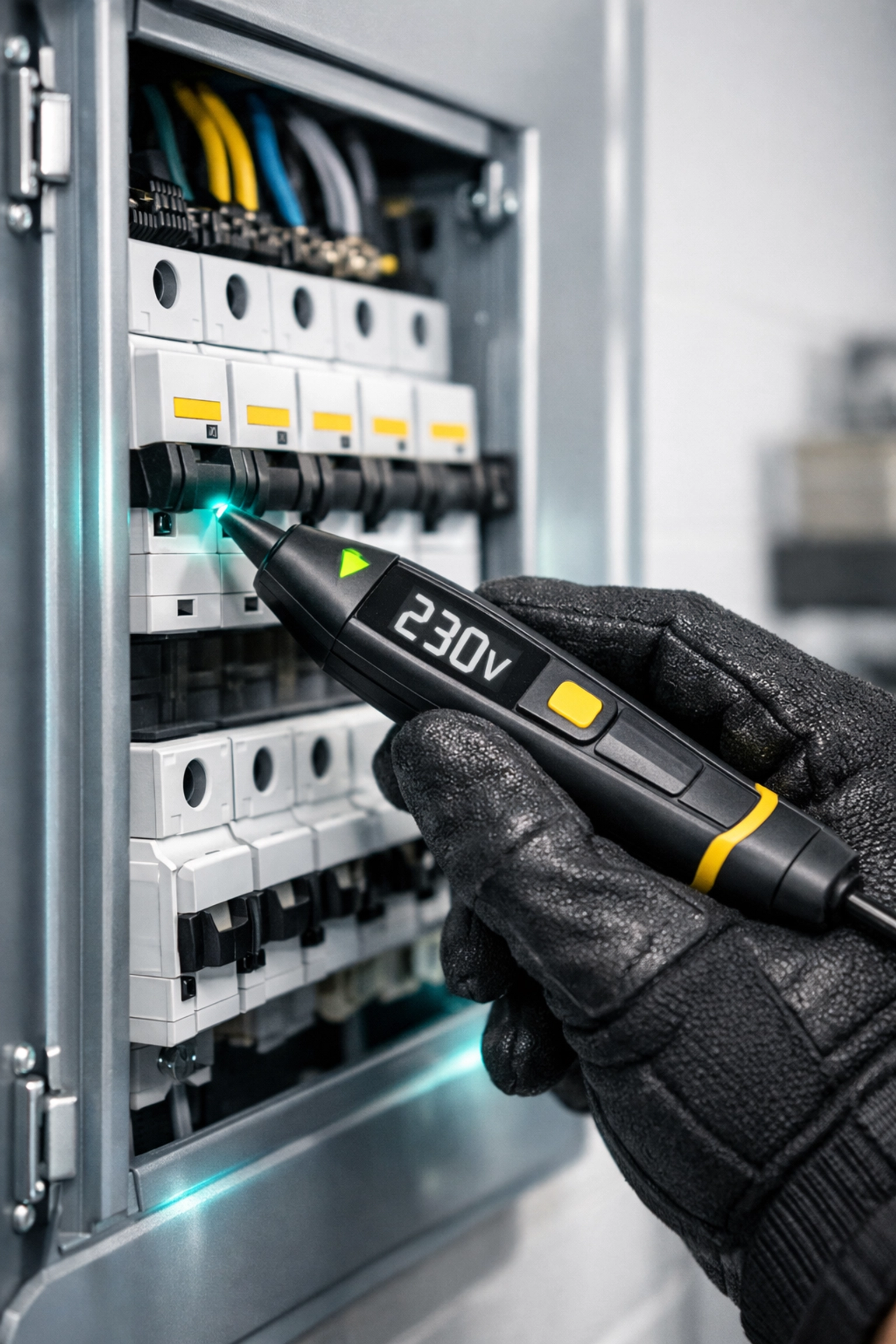
Your electrical panel should be silent. If it’s buzzing like a beehive, there’s likely an arc fault or a failing breaker that needs professional eyes immediately.
Finding a "24 Hour Electrician Near Me" in Florida
When you’re in the middle of a crisis, you don't have time to vet fifty different companies. However, picking the wrong one can lead to "band-aid" fixes that cost more in the long run. Here is how to filter your search quickly and effectively.
Check for Florida-Specific Licensing
Florida has some of the strictest building codes in the country (and for good reason). Ensure the person you call is a licensed Florida Electrical Contractor. This ensures they are up to date on the latest Florida Building Code requirements, which are designed to help your home withstand our unique climate.
Verify Insurance and Background Checks
You’re letting a stranger into your home in the middle of the night. A reputable company like Florida Electrical Specialists ensures all technicians are background-checked and fully insured. This protects you from liability if an accident happens on your property.
Response Time is King
In an emergency, every minute counts. Industry best practices for a 24 hour electrician involve a 10-minute dispatch window and an on-site arrival within 30 to 90 minutes. When you call, ask: "How far away is your technician right now?" and "Can you give me a guaranteed ETA?"
For more tips on local searches, check out our guide on finding a 24-hour electrician near me in Florida.
The Cost of Emergency Electrical Services
Let’s talk numbers. No one likes a surprise on their bill, especially at 3:00 AM. Emergency services naturally cost more than a scheduled appointment because of the logistics of keeping technicians on standby.
- Service Call Fees: Expect to pay between $50 and $150 just for the technician to show up.
- Hourly Rates: Emergency rates in 2026 typically range from $100 to $250 per hour.
- After-Hours Premiums: Many companies add a flat emergency response fee (often $100–$200) for nights, weekends, or holidays.
Always ask for an upfront estimate. Even in an emergency, a professional should be able to give you a "diagnostic fee" quote over the phone and a repair estimate once they see the problem.
5 Questions to Ask Before They Arrive
When you’re on the phone with the dispatcher, take a deep breath and ask these five quick questions:
- Are you licensed and insured for work in this county? (Requirements can vary slightly between places like Miami-Dade and Orange County).
- What is your estimated time of arrival?
- Do you provide a written warranty on emergency repairs?
- What is the "show-up" fee versus the hourly rate?
- Will the technician have common parts (like breakers or GFCI outlets) on their truck?
Knowing these answers upfront prevents "sticker shock" and ensures the person arriving can actually fix the problem rather than just telling you what you already know.
Why Florida Homes are Prone to Electrical Emergencies
Living in Florida is a dream, but our environment is tough on electrical systems. Between the salt air (if you're near the coast), the extreme heat, and the lightning capital status of the country, our wires work hard.
Common culprits for emergency calls include:
- Corroded Outlets: Humidity and salt air can cause an outlet not working to turn into a fire hazard.
- Lightning Strikes: Without a whole house surge protector, a single Florida storm can fry your entire panel.
- Outdated Panels: Many older Florida homes still have Zinsco or Federal Pacific panels, which are notorious for failing to trip during a surge.
If your home is more than 20 years old, you should strongly consider an electrical panel upgrade in 2026 to prevent these midnight emergencies from happening in the first place.
How to Prepare While You Wait for the Electrician
Once the call is made and the technician is on the way, there are a few things you should do to ensure safety and speed up the process:
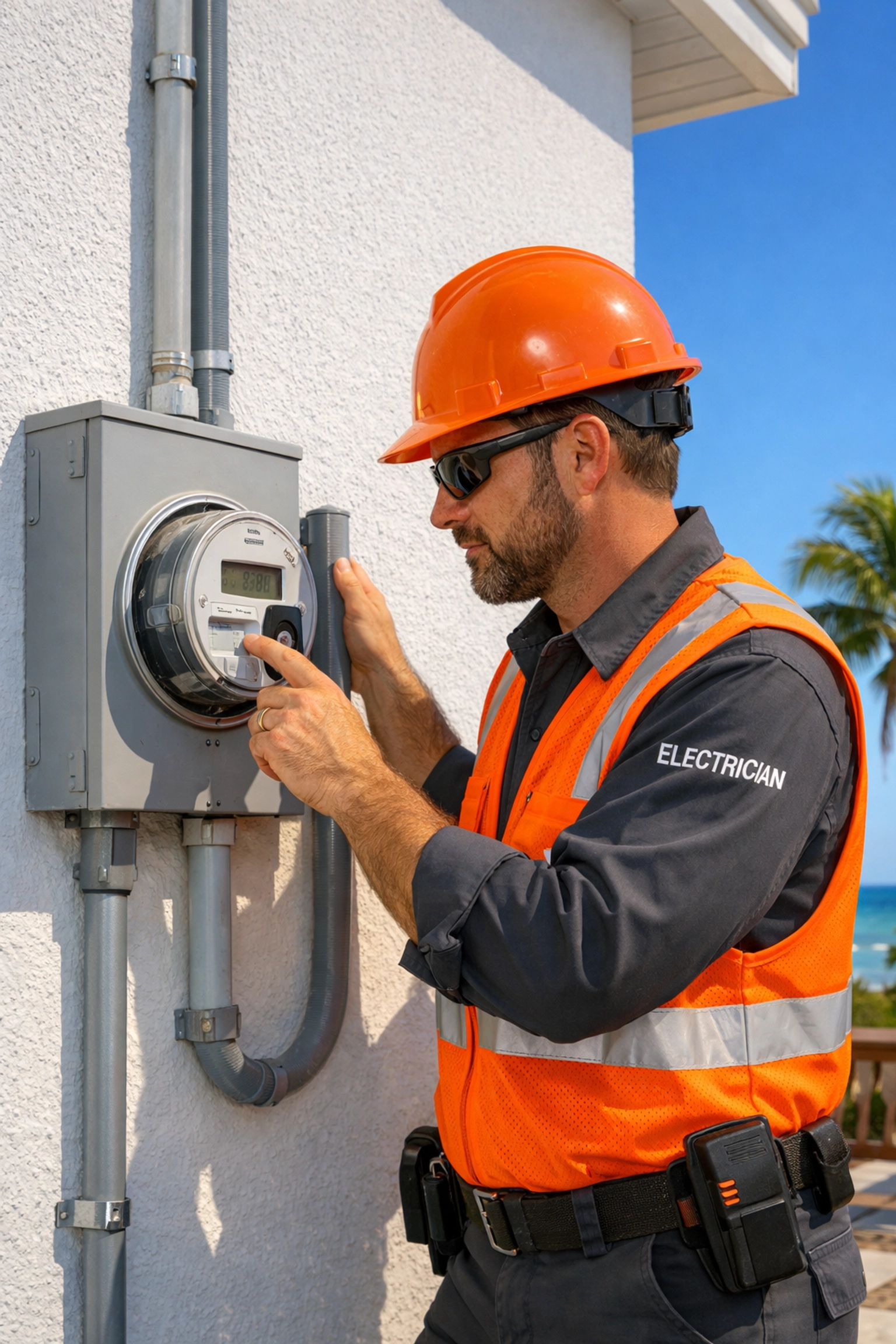
- Locate Your Panel: Make sure the path to your electrical panel is clear. If it’s in the garage behind a mountain of boxes, start moving them now.
- Turn Off the Main Breaker (If Safe): If you see sparks or smell smoke, turn off the main power switch at the top of your panel if you can do so safely.
- Secure Your Pets: A barking dog or a curious cat can distract a technician working with high-voltage wires. Put them in a separate room.
- Gather Information: Note exactly what happened right before the failure. Did you turn on the microwave? Did the lights flicker first? This "medical history" helps the electrician diagnose the issue faster.
Future-Proofing: Moving from Emergency to Efficiency
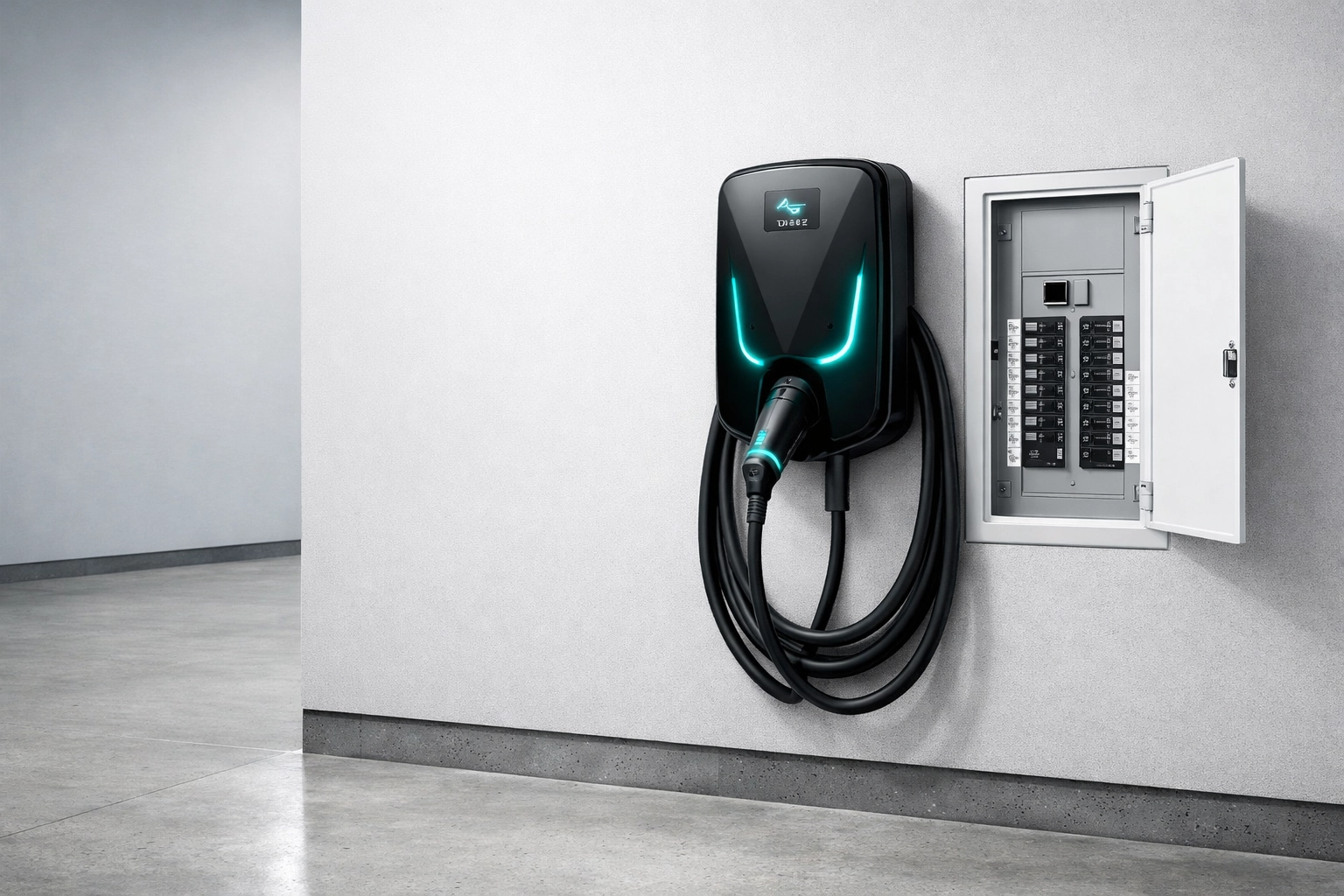
Once the immediate crisis is over, it’s time to look at the "why." Often, an emergency call is a symptom of an underlying issue. Many homeowners realize that their current system wasn't built for the modern world: especially if you're looking at adding an EV charger installation or updated smart home tech.
If your emergency was caused by an overloaded circuit, an electrical panel replacement might be the most cost-effective long-term solution. Not only does it increase safety, but it also adds significant value to your property: something realtors and contractors should keep in mind for their clients.
Safety First, Every Time
At the end of the day, your family’s safety is the only thing that matters. Electrical work is not a "DIY" project, especially when things go wrong in the middle of the night. Trying to fix a GFCI outlet installation or a sparking wire yourself can result in severe injury or worse.
Whether it’s a simple fix or a major overhaul, always trust a professional who knows the ins and outs of Florida electrical systems. For more detailed insights, take a look at these 10 things Florida homeowners should know when hiring an emergency pro.
Final Takeaway: Don't wait for the smoke to start before you have a plan. Save the number for a trusted 24 hour electrician in your phone today. It’s better to have it and not need it than to be scrolling through search results in the dark.
If you’re currently facing an issue or want to schedule a safety inspection to prevent the next midnight surprise, Florida Electrical Specialists is here to help. We specialize in keeping Florida homes safe, compliant, and powered up; no matter what time the clock says.
Disclaimer: Electrical requirements and local codes may vary by jurisdiction across Florida. Always consult with your local building department or a licensed Florida electrical professional before performing major work.