



If you're still running a 20-year-old electrical panel in your Florida home, you're playing a dangerous game. Between record-breaking heat waves, increasing power demands from modern appliances, and updated electrical codes, that outdated panel isn't just inconvenient: it's a serious safety risk. Let's talk about why waiting another year could cost you more than just money.
The Perfect Storm: Why Florida Panels Fail Faster
Your electrical panel works harder in Florida than almost anywhere else in the country. Think about it: your HVAC system runs nearly year-round, fighting off humidity and 95-degree summers. Add in hurricane season, saltwater air near the coast, and the constant threat of storm damage, and your panel's taking a beating that homeowners in Colorado could never imagine.
Aging Panels Are Ticking Time Bombs
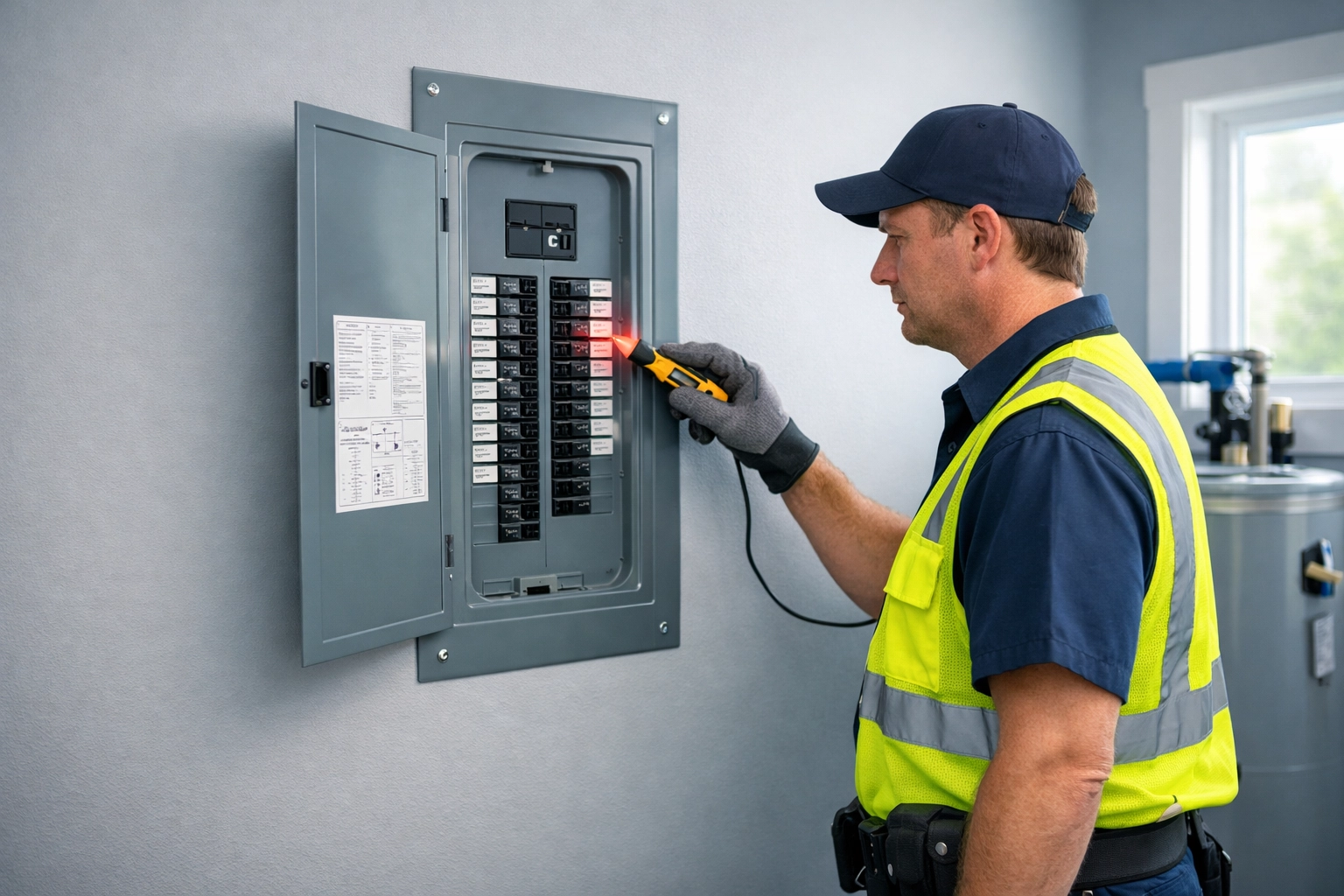
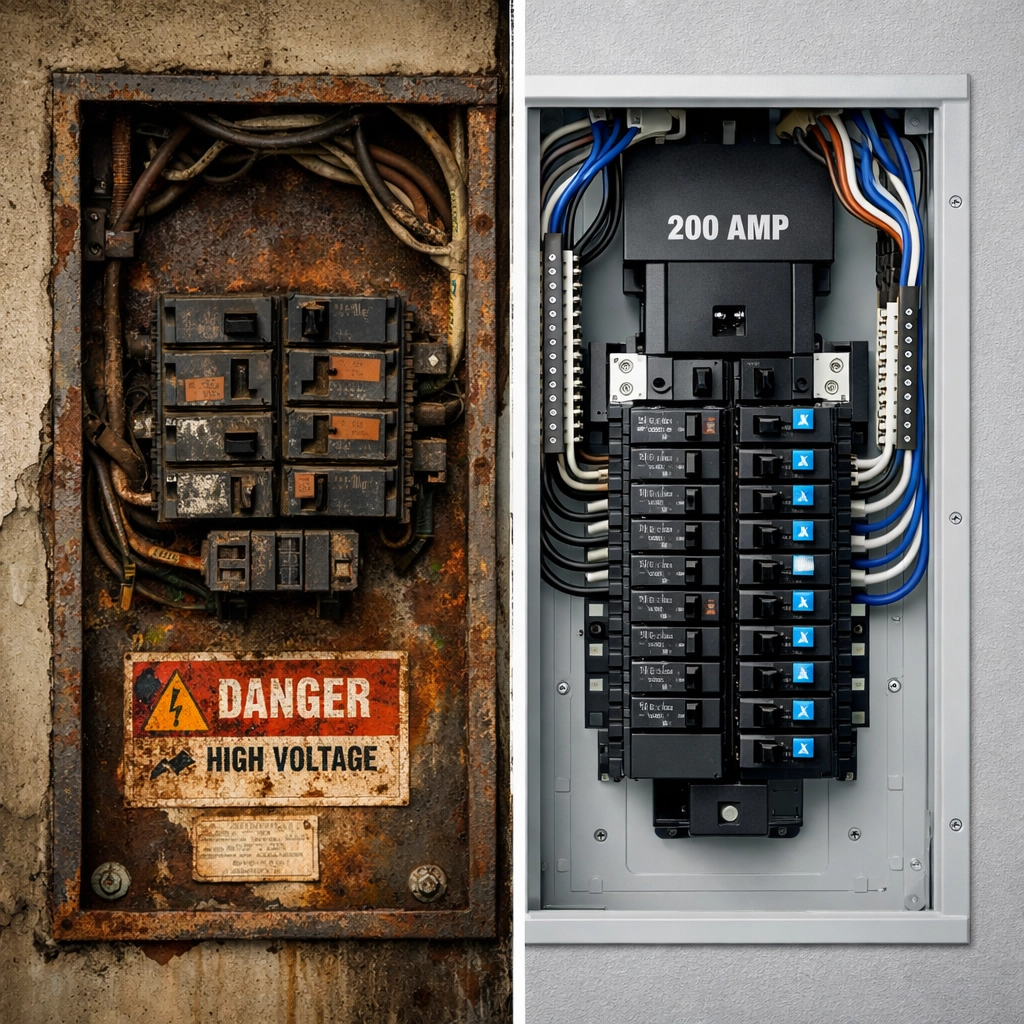
Here's the reality: electrical panels have a lifespan of about 25-30 years max. If your home was built in the 1990s or earlier, you're likely approaching or past that expiration date. Older panels: especially notorious models like Federal Pacific or Zinsco: have documented failure rates that would make any homeowner lose sleep.
These panels weren't designed for today's electrical demands. When they fail, they don't just flip a breaker. They overheat, spark, and in worst-case scenarios, start fires inside your walls where you can't see them until it's too late.
Florida's Climate Creates Unique Risks
The combination of heat, humidity, and severe weather creates challenges that accelerate panel deterioration:
- Constant heat stress: When your AC runs 8-10 months a year, your panel never gets a break
- Moisture infiltration: Florida's humidity can corrode connections and create dangerous shorts
- Hurricane damage: Even if your home looks fine after a storm, water intrusion can compromise panel integrity
- Power surges: Lightning strikes and grid fluctuations are more common here than almost anywhere else
Your Home's Power Demands Have Outgrown Your Panel
Remember when homes ran on 60-amp or 100-amp service? Those days are gone. Modern Florida homes need serious power, and your old panel can't keep up.
What's Pulling Power in Your Home Today?
Let's break down what a typical Florida home is trying to run simultaneously:
- Central air conditioning (the biggest draw by far)
- EV charger (if you've gone electric, you're adding 40-50 amps)
- Pool pump and heater (another 20-30 amps)
- Smart home devices (constantly drawing power)
- Modern kitchen appliances (induction cooktops, double ovens, smart refrigerators)
- Home office equipment (multiple monitors, computers, printers)
- Entertainment systems (that 75-inch TV isn't cheap on power)
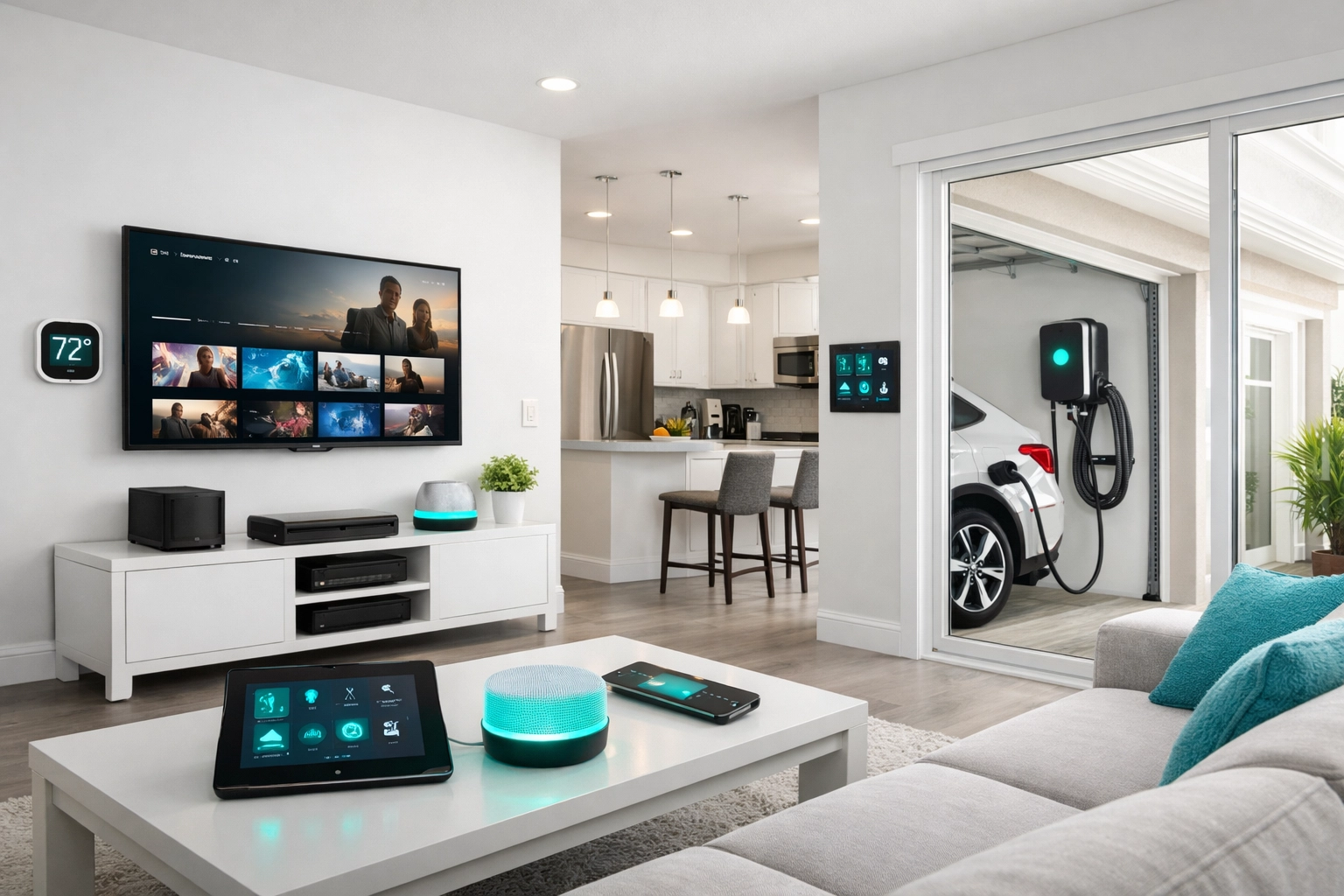
A 100-amp panel trying to handle this load is like trying to run a marathon in flip-flops. It might work for a minute, but you're headed for failure. Most homes now need 200-amp service minimum, with some larger properties requiring even more capacity.
Code Requirements Have Changed: And For Good Reason
The National Electrical Code and Florida Building Code have evolved significantly, and 2026 installations require safety features that older panels simply don't have.
New Safety Standards You Can't Ignore
Modern electrical panel upgrades must include:
- AFCI breakers (Arc-Fault Circuit Interrupters): These detect dangerous electrical arcs before they start fires
- Whole-home surge protection: Florida's lightning capital status makes this non-negotiable
- GFCI protection: Required in wet areas like kitchens, bathrooms, and outdoor spaces
- Proper grounding systems: Critical for safety and surge protection
If your current panel lacks these features, you're not just behind on trends: you're missing critical life-safety equipment.
The Real Cost of Waiting
"I'll upgrade next year" is what we hear constantly. But delaying comes with risks that go way beyond the upgrade cost itself.
Financial Risks of Postponing
Here's what delayed panel upgrades actually cost:
Insurance complications: Many insurers are now requiring panel inspections or upgrades before renewing policies on older homes. Some won't cover fire damage if the panel was known to be outdated.
Home sale problems: Trying to sell with an old panel? Expect inspection issues, buyer demands for credits, or deals falling through entirely. Realtors will tell you: outdated electrical systems kill more deals than almost any other single issue.
Emergency repair costs: When a panel fails, you're looking at emergency electrician rates plus the urgent upgrade cost. That "next year" upgrade suddenly costs 30-50% more when it becomes an emergency.
Appliance damage: Old panels can't protect against surges properly, meaning your expensive HVAC system, smart TV, and other electronics are vulnerable.
Safety Risks You Can't Put a Price On
The biggest cost isn't financial: it's safety. Electrical fires cause an estimated 51,000 home fires annually in the U.S., with outdated electrical systems being a leading cause. In Florida's hot climate where panels work overtime, that risk multiplies.
What a 2026 Panel Upgrade Actually Involves
Let's demystify the process so you know exactly what to expect.
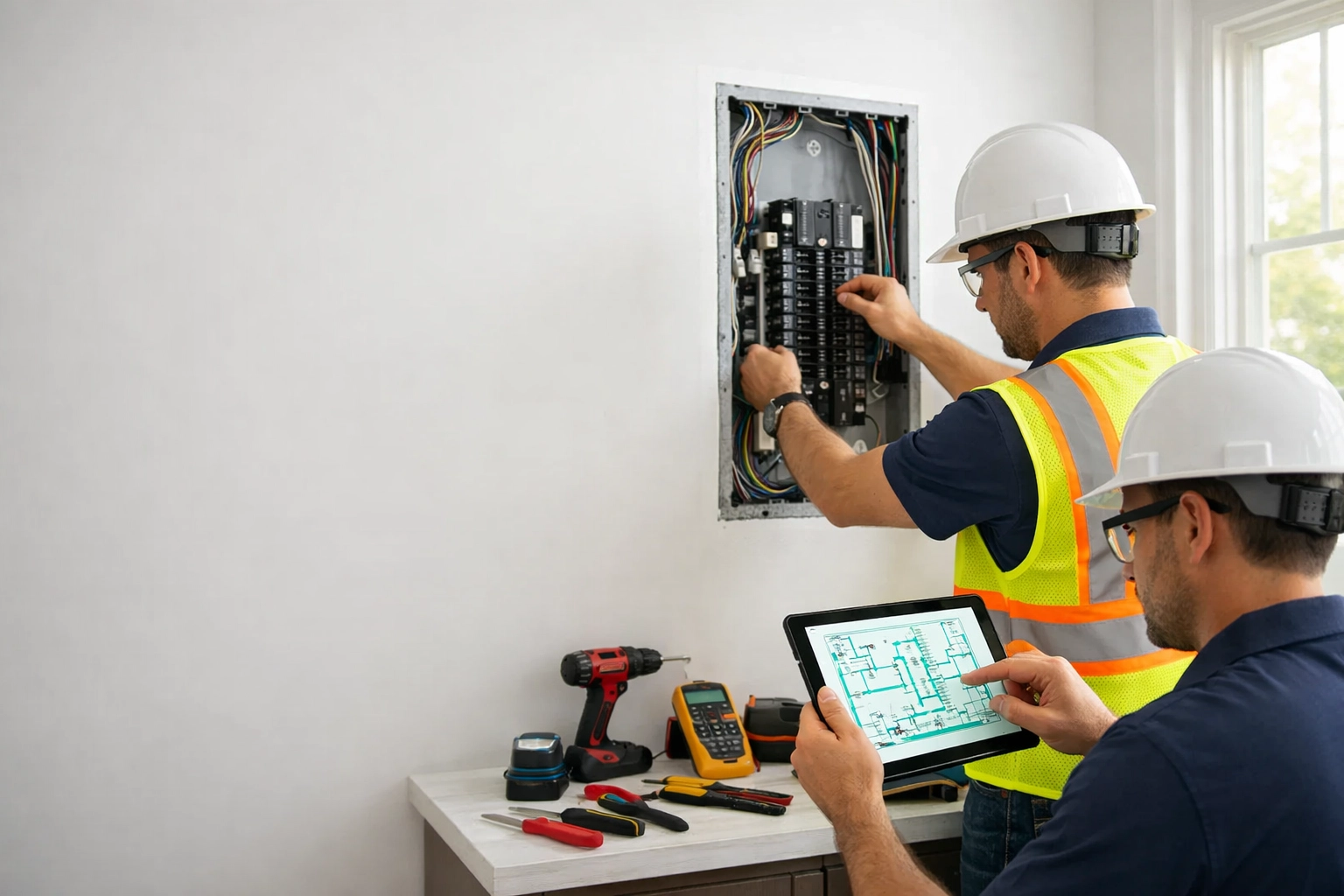
The Upgrade Process Step-by-Step
- Professional assessment: A licensed electrician evaluates your current system and power needs
- Permit acquisition: Required by Florida law: no exceptions
- Utility coordination: Power company must approve and may need to upgrade your meter
- Panel installation: Typically takes 4-8 hours for a standard upgrade
- Inspection: Local building department must approve the work
- Final connection: Utility company reconnects and activates your new service
What It Costs (And What Influences Price)
Panel upgrades in Florida typically run $1,200-$4,500 depending on several factors:
- Service upgrade size (100-amp to 200-amp vs. 200-amp to 400-amp)
- Panel location and accessibility
- Required permits and inspection fees (vary by municipality)
- Additional work needed (meter upgrades, service line work, grounding improvements)
- Local labor rates (Miami-Dade tends to run higher than rural counties)
Important: Electrical requirements may vary by jurisdiction. Always work with a licensed Florida electrical professional who knows your local codes.
Why Permits Aren't Optional
Some contractors might suggest skipping permits to save money. Don't fall for it. Here's why permits matter:
- Legal compliance: It's the law, plain and simple
- Safety inspections: Ensures work meets code and won't create hazards
- Insurance protection: Unpermitted work can void your homeowner's insurance
- Resale value: Unpermitted electrical work is a massive red flag for buyers
- Utility connection: The power company won't connect unpermitted panels
Making the Smart Choice in 2026
If your panel is over 20 years old, can't handle your current electrical load, or you're experiencing frequent breaker trips, the time to upgrade isn't next year: it's now.
Working with experienced licensed electrical contractors in Florida ensures your upgrade meets all current codes, gets proper permits, and gives you the capacity and safety features your home needs. Florida Electrical Specialists helps homeowners navigate the entire process: from initial assessment through final inspection: making sure your home's electrical system is ready for today's demands and tomorrow's needs.
The question isn't whether you need an upgrade. It's whether you're going to do it on your timeline or wait until your old panel makes that decision for you: probably at the worst possible moment. Choose the smart path, protect your investment, and give yourself peace of mind knowing your home's electrical system can handle whatever Florida throws at it.