



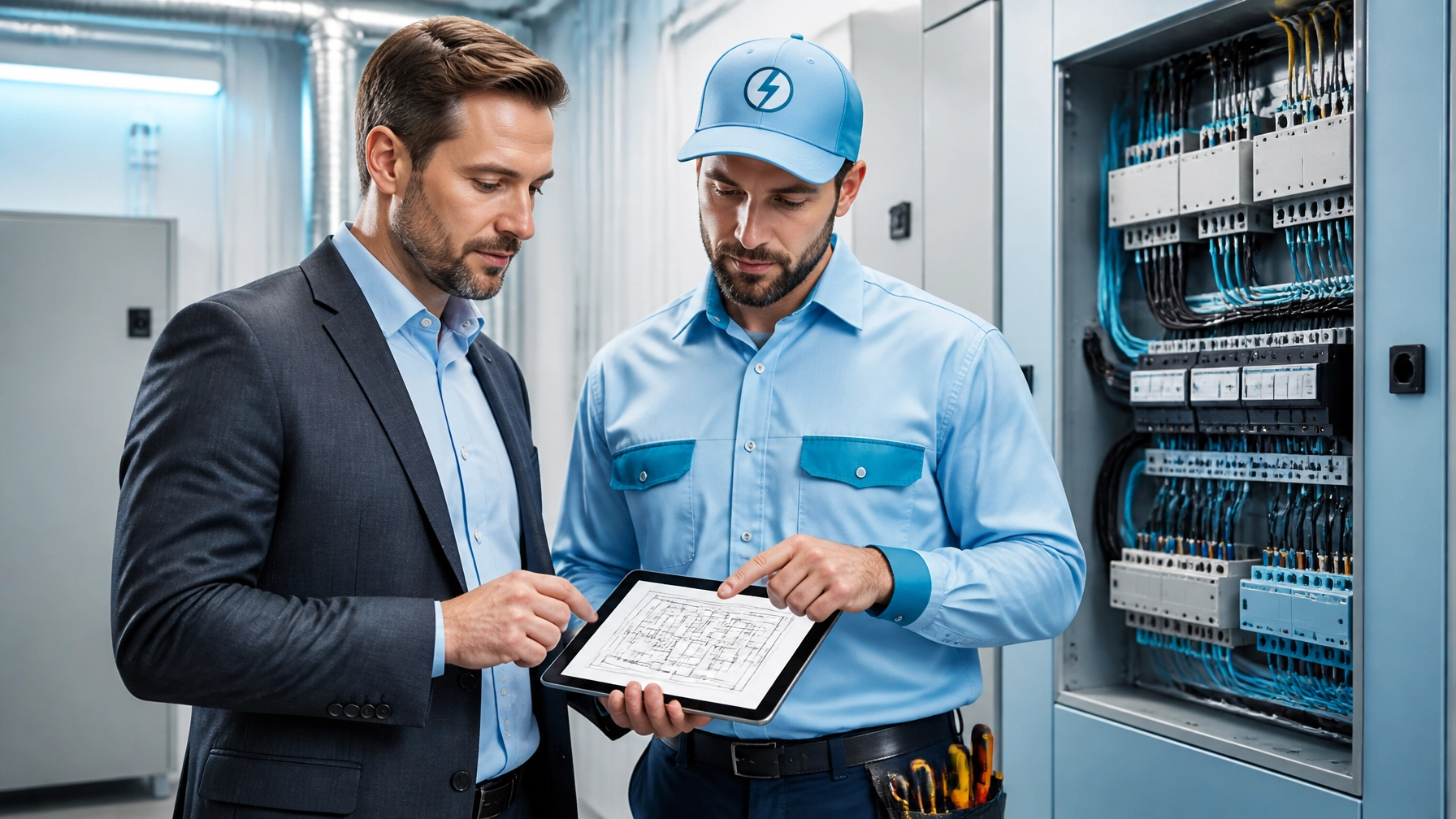
If you manage property in Florida, you already know the drill. It’s 2:00 AM on a humid Tuesday, a tropical storm just rolled through, and your phone is buzzing. A tenant in one of your multi-unit buildings is calling because their circuit breaker keeps tripping, or worse, they smell something "fishy" coming from the walls.
In the high-stakes world of Florida property management, an electrical issue isn't just a maintenance ticket, it’s a liability, a safety hazard, and a potential code violation all rolled into one. Whether you’re overseeing a cozy HOA in Orlando, a commercial retail space in Miami, or a sprawling apartment complex in Tampa, having a reliable 24 hour electrician on speed dial isn’t a luxury; it’s a survival strategy.
But how do you find an emergency electrician who actually knows their way around the unique challenges of the Florida Building Code? How do you vet someone who can handle a massive electrical panel upgrade one day and a simple GFCI outlet installation the next?
Grab a coffee. We’re diving into everything you need to know to protect your properties, your tenants, and your sanity.
Why a "Wait-and-See" Approach Fails Florida Property Managers
Florida is beautiful, but it’s tough on electrical systems. Between the salt air that corrodes outdoor panels, the lightning capital status of the country, and the relentless heat that keeps AC units (and their circuits) working overtime, electrical failures happen fast and hard.
When a tenant reports an outlet not working, it might seem minor. But in a multi-unit building, that "dead outlet" could be a symptom of a larger wiring failure or an overloaded circuit that’s a fire risk. Waiting until business hours to call a pro can lead to:
- Increased Liability: If a fire occurs after a tenant reported a hazard, the management company is on the hook.
- Tenant Turnover: Nothing kills a lease renewal faster than a manager who can't solve a power outage in the middle of a Florida summer.
- Code Violations: Temporary "handyman" fixes often violate the Florida Electrical Code, leading to failed inspections and fines later.
Identifying a Real Electrical Emergency
Not every call requires a 24-hour response, but as a property manager, you need to know when to pull the trigger. If you encounter any of the following, search for a "24 hour electrician near me" immediately:
1. The Burning Smell
If a tenant reports a smell like burning plastic or ozone, that’s an immediate emergency. It usually indicates wires are melting or arcing behind the walls.
2. Buzzing or Humming Panels
Electrical panels should be silent. If a panel is humming or vibrating, the breakers might be failing to trip, or there could be a loose main connection. This often leads to the need for an electrical panel replacement.
3. Partial Power Loss
If half the unit has power and the other doesn't, it’s rarely just a tripped breaker. It could be a dropped "leg" of power from the utility or a failing main breaker.

The Florida Property Manager's 5-Point Checklist for a 24-Hour Electrician
Don't wait for the emergency to happen to start your search. Use this checklist to pre-qualify your electrical partner.
1. Statewide Licensing and Insurance
In Florida, "licensed and insured" isn't a suggestion, it's the law. Ensure your electrician is a State Certified Electrical Contractor. This means they can pull permits in any of Florida’s 67 counties. At Florida Electrical Specialists, we maintain full coverage and have resolved over 12,000+ electrical issues across the state, making us a high-trust partner for managers with diverse portfolios.
2. Guaranteed 24-Hour Response
Many companies claim to be "24/7" but just have an answering service that tells you to wait until Monday. You need a partner who offers a genuine 24 hour response time. When a main breaker blows in a commercial office space, every hour of downtime is thousands of dollars in lost productivity.
3. Permit and Code Expertise
Florida electrical codes are strict, especially regarding electrical panel upgrades and water-adjacent wiring (like pools or coastal properties). Your electrician should be an expert at navigating local building departments and ensuring all work is properly permitted.
4. Transparent, Upfront Estimates
Emergency work shouldn't be a blank check. Look for a contractor who provides clear, upfront estimates even during late-night calls. This helps you manage your maintenance budget without hidden fee "surprises" for the property owner.
5. Multi-Unit and Commercial Experience
Residential electricians are great, but property managers need someone who understands the complexity of three-phase power, commercial switchgear, and the nuances of realtor-friendly electrical assessments.

Essential Upgrades to Prevent Emergency Calls
The best way to handle an emergency is to prevent it. Smart property managers look at their electrical systems proactively.
Whole House Surge Protection
Florida sees more lightning strikes than anywhere else in the US. A single surge can fry the appliances, AC units, and smart tech in an entire apartment building. Installing a whole house surge protector at the panel is a low-cost way to protect high-value assets.
Electrical Panel Upgrades
If your properties still have Zinsco or Federal Pacific panels, you’re sitting on a ticking time bomb. These legacy panels are notorious for failing to trip, leading to fires. An electrical panel replacement isn't just an expense; it’s an investment in safety and insurability. Many Florida insurance companies are now requiring panel upgrades before renewing policies.
GFCI and AFCI Compliance
Modern code requires GFCI (Ground Fault Circuit Interrupter) outlets in kitchens, bathrooms, and outdoor areas. If your older properties aren't up to date, a quick GFCI outlet installation project can save you from a major liability claim if a tenant has an accident near water.
EV Charger Installation: The New Must-Have Amenity
With the rise of electric vehicles, tenants are actively searching for buildings that offer charging. Providing EV charger installation for your units can significantly increase property value and attract high-quality long-term tenants.

Navigating Florida Electrical Permits & Inspections
One of the biggest headaches for property managers is the paperwork. In Florida, almost any work beyond changing a lightbulb requires a permit. This includes:
- Moving an outlet.
- Installing a new dedicated circuit for an AC.
- Upgrading a service panel.
Working with Florida Electrical Specialists means you don't have to worry about the red tape. We are permit experts who handle the filing and coordinate with the local inspectors to ensure the job is closed out correctly. This is vital for when you eventually sell the property or undergo a city safety audit.
Conclusion: Don't Get Left in the Dark
Being a property manager in the Sunshine State is a big job. You’re responsible for the safety of people’s homes and the value of a property owner’s investment. When the lights go out or a breaker won't stop tripping, you need a partner who is fast, licensed, and local.
Whether you need an emergency electrician right now or you want to schedule a proactive safety inspection, we’re here to help. At Florida Electrical Specialists, we serve all 67 Florida counties with 24-hour service, clear pricing, and code-compliant expertise.
Ready to secure your properties? Contact us today for a comprehensive electrical assessment and let’s make those 2:00 AM emergency calls a thing of the past.

Frequently Asked Questions
What is considered an electrical emergency for a tenant?
A true emergency includes a complete power outage, burning smells, sparking outlets, buzzing noises from the panel, or water coming into contact with electrical components. If a tenant’s life or the property’s safety is at risk, call an emergency electrician immediately.
Do I need a permit for a simple outlet move?
Yes, in most Florida jurisdictions, any modification to the permanent wiring of a building requires a permit. This ensures the work meets the Florida Building Code and is safe for the next occupant.
Why does my circuit breaker keep tripping in the summer?
In Florida, the most common reason is an overloaded AC circuit. As the unit works harder to fight the heat, it draws more current. If the breaker is old or the circuit is shared with other heavy appliances, it will trip to prevent a fire.
How often should property managers inspect electrical panels?
We recommend a professional inspection every 1-2 years for multi-unit buildings. We look for loose connections, signs of heat damage, and ensure all GFCI outlets are functioning correctly to keep you compliant with Florida safety standards.