



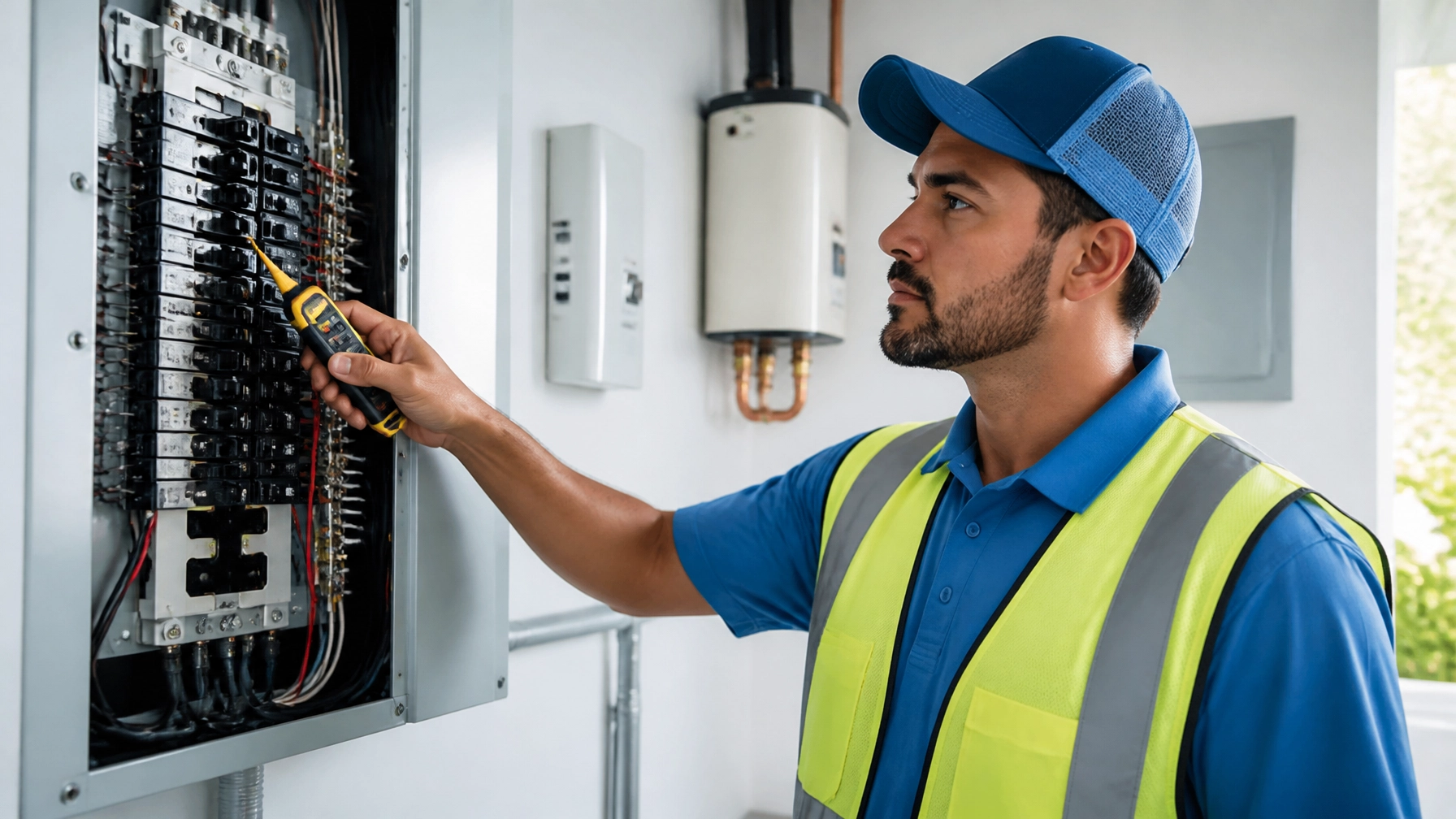
Hi there! If you’ve ever been in the middle of a Netflix binge or a high-stakes Zoom call only to have everything go pitch black because of a "click" in the garage, you know how annoying a tripping circuit breaker can be. In the moment, it feels like a nuisance, a tiny plastic switch standing between you and your morning coffee.
But here’s the thing: in 2026, with Florida’s evolving electrical codes and our increasingly power-hungry homes, a tripping breaker is rarely just an "oops." It’s your home’s way of screaming for help. Whether you're dealing with a circuit breaker keeps tripping in an older bungalow or you're planning a high-tech EV charger installation, understanding the "why" behind that trip is critical for your safety and your wallet.
At Florida Electrical Specialists, we've seen it all across the Sunshine State. From salt-air corrosion in the Keys to overloaded panels in Orlando’s newest developments, we’re here to help you navigate the sparks. Let's dive into what that tripping breaker actually means and why 2026 is a milestone year for Florida home safety.
Why a Circuit Breaker Keeps Tripping (The 3 Main Culprits)
Think of your circuit breaker as a high-tech security guard. Its only job is to watch the flow of electricity and "trip" (shut off the power) if things get dangerous. If your circuit breaker keeps tripping, it’s usually because of one of these three issues:
1. The Overloaded Circuit
This is the most common reason. It happens when you try to pull more electricity through a wire than it’s rated to handle. In 2026, this often happens because we’re plugging in more than ever, high-end gaming PCs, air fryers, and portable AC units. When the "load" exceeds the "limit," the breaker trips to prevent the wires from melting and starting a fire.
2. Short Circuits
A short circuit is a bit more serious. It happens when a "hot" wire touches a "neutral" wire. This causes a sudden, massive surge of electricity that creates intense heat instantly. If you smell something burning or see black soot marks around an outlet, you likely have a short circuit. This is a job for an emergency electrician, don’t try to reset this one yourself!
3. Ground Faults
Similar to a short circuit, a ground fault occurs when the hot wire touches a ground wire or the side of a metal box. This is especially common in areas with water, like kitchens and bathrooms. This is why GFCI outlet installation is required by code, these outlets are designed to trip even faster than a standard breaker to save you from a nasty shock.
The Florida Factor: Why Sunshine State Breakers Work Harder
Florida isn't like other states. Our environment is beautiful, but it’s absolutely brutal on electrical systems.
Heat and Humidity: The Silent Killers
In Florida, our AC units run almost 24/7. This constant heavy draw puts an enormous strain on your electrical panel. High humidity can also lead to condensation inside your walls or even inside the panel itself. Moisture and electricity don’t mix; they lead to "nuisance tripping" which is often a precursor to a total system failure.
Coastal Salt Air and Corrosion
If you live within 10 miles of the coast, your home is breathing in salt air. Salt is highly corrosive to the copper and aluminum components in your electrical system. We often find that an outlet not working in a coastal home isn't just a "bad outlet", it’s actually a corroded connection that has finally given up.

The 2026 Code Update: What You Need to Know Before September 1st
If you’re a Florida homeowner, mark September 1, 2026, on your calendar. Currently, Florida has a specific exception in the building code that doesn't require GFCI protection for certain HVAC (heating and cooling) equipment.
That exception expires on September 1, 2026.
What does this mean for you? After this date, new AC installations and major repairs will likely require updated GFCI protection to meet the 2020 National Electrical Code (NEC) standards that Florida follows. If your current breaker trips every time the AC kicks on, you might be facing more than just a repair, you might need an electrical panel replacement to bring your home up to the new safety standards. Staying ahead of these changes is part of being a responsible homeowner. You can read more about why an electrical panel upgrade in 2026 is so important here.
When "Nuisance Tripping" Becomes a Danger
We often hear people say, "Oh, it just trips sometimes, I just flip it back." Please, don't do that!
Warning Signs You Can't Ignore
If you experience any of the following, stop what you’re doing and call a 24 hour electrician:
- Burning Smells: If it smells like ozone or burning plastic near your panel or an outlet.
- Hot to the Touch: If your panel cover or a specific breaker feels warm.
- Buzzing or Hissing: Electricity should be silent. Any noise is a sign of arcing.
- Visible Damage: Scorch marks or melted wire insulation.
The "Two-Trip" Rule
A good rule of thumb for Florida homeowners: If a breaker trips, you can try to reset it once after unplugging the appliances on that circuit. If it trips a second time immediately? Stop. Leave it off and call a professional. Forcing a breaker to stay on or repeatedly resetting a faulted circuit is a leading cause of residential electrical fires.

Modern Power Demands: From EV Chargers to Smart Homes
Our homes in 2026 look a lot different than they did twenty years ago. Many of us are now installing an EV charger installation in the garage or setting up elaborate smart home ecosystems.
Why an Electrical Panel Upgrade is Often Necessary
Most older Florida homes were built with 60-amp or 100-amp service. A modern EV charger alone can pull 40 to 50 amps. If you try to charge your car, run the AC, and dry a load of laundry at the same time, your old panel simply won't be able to keep up. This is where an electrical panel upgrade to 200-amp service becomes a necessity, not just a luxury.
If you're unsure if your system can handle the load, check out our guide on how to tell if your electrical panel is outdated.
Proactive Protection: Whole House Surge Protectors and GFCIs
In the "Lightning Capital of the U.S.," protecting your home from surges is a top priority.
GFCI Outlet Installation
As mentioned, GFCI outlet installation is your first line of defense against electrocution in wet areas. If you have outlets near a pool, lanai, or kitchen sink that aren't GFCIs, you are significantly behind modern safety codes.
Safeguarding Against Florida Lightning
A tripping breaker won't always protect your sensitive electronics from a nearby lightning strike. That’s why we highly recommend a whole house surge protector. This device is installed directly into your electrical panel and acts as a massive "buffer" for your entire home. It’s a small investment that can save tens of thousands of dollars in fried appliances. Learn how to choose the best surge protector for Florida storms here.

DIY vs. Hiring an "Electrician Near Me"
We love a good DIY project as much as anyone, but electricity is the one area where you should never "guess." Florida electrical codes are complex, and the risks of a mistake include fire, injury, or even death.
When you search for an electrician near me, look for someone who:
- Is fully licensed and insured in the state of Florida.
- Offers 24-hour response times (because electrical emergencies don't wait for business hours).
- Can handle the permitting process, most panel work in Florida requires a permit to be legal.
At Florida Electrical Specialists, we've resolved over 12,000+ electrical issues across the state. Whether you need a simple outlet not working fix or a full electrical panel replacement, we bring the expertise required to keep your home safe and compliant.

Conclusion: Don't Let a Small Trip Become a Big Problem
Is a tripping circuit breaker "bad"? Not necessarily, it's actually doing its job! But if it's tripping repeatedly, it’s a symptom of an underlying issue that needs professional attention. As we move through 2026 and new codes take effect, keeping your home’s electrical system healthy is more important than ever.
If your breakers are giving you trouble, or you're ready to upgrade your home for the future, don't wait until you're left in the dark. Florida Electrical Specialists offers clear, upfront estimates and emergency services statewide.
Ready to secure your home? Check out our guide for what to know when looking for a 24-hour electrician or contact us today to schedule your inspection!
FAQ: Common Circuit Breaker Questions
Q: My breaker won't reset at all. What should I do?
A: If a breaker won't reset, it's likely sensing a "hard fault" (a direct short) or the breaker itself has failed. Do not force it. This is a situation for an emergency electrician.
Q: How much does an electrical panel upgrade cost in Florida?
A: Costs vary depending on the size of your home and the complexity of the wiring, but we always provide a clear, upfront estimate before any work begins.
Q: Can I install a GFCI outlet myself?
A: While it's possible for a handy homeowner, miswiring a GFCI can leave you without the protection you think you have. For total peace of mind, professional GFCI outlet installation is the safest route.
Q: Does my Florida home really need a whole house surge protector?
A: Given that Florida has the highest density of lightning strikes in the country, yes! It is one of the most cost-effective ways to protect your home's technology.
Disclaimer: Electrical requirements may vary by jurisdiction. Always consult local authorities or a licensed Florida electrical professional like Florida Electrical Specialists for code interpretations and safety work.