


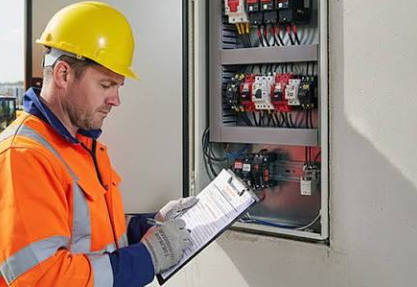
Embarking on a home improvement or commercial renovation project in the Sunshine State is exciting. Whether you want to modernise an outdated kitchen, add an outdoor entertainment area, or install an electric vehicle charging station, upgrades enhance your property value and comfort. However, before you break out the tools or purchase fixtures, a critical question requires answering: When does your project need an electrical permit?
Navigating local building regulations can feel overwhelming. Many property owners worry that securing a permit adds unnecessary delays or costs. In reality, the electrical permit process acts as a crucial safeguard. It ensures that any modifications made to your electrical system comply with rigorous safety standards, protecting your property, your family, and your investment.
At Florida Electrical Specialists, we believe that understanding the “why” and “when” of electrical permits empowers you to make informed decisions. Let’s dive deep into the world of electrical permits, code compliance, and professional project management in Florida.
Why Electrical Permits and Code Compliance Matter
Electricity is the lifeblood of the modern home, but it carries inherent risks if handled improperly. According to the National Fire Protection Association (NFPA), electrical failures or malfunctions remain a leading cause of home fires. This is precisely why building codes exist.
In Florida, all construction and electrical work must align with the Florida Building Code and the latest edition of the National Electrical Code (NEC). These regulations are not arbitrary. They are meticulously designed to reduce safety hazards, prevent unexpected costs, and eliminate potential power failures.
The Real Cost of Skipping a Permit
Choosing to bypass the permitting process to save a few dollars upfront often backfires. Here is what can happen:
- Insurance Denial: If an unpermitted electrical modification causes a fire or property damage, your homeowner’s insurance company has the legal right to deny your claim.
- Resale Hurdles: When you decide to sell your property, home inspectors and savvy buyers will look at municipal permit histories. Unpermitted work can stall a sale, force you to tear out finished walls to expose wiring, or require you to pay hefty fines to retroactively permit the work.
- Safety Hazards: The NEC includes specific mandates tailored to Florida’s unique environment. For instance, our coastal climate, high humidity, and severe tropical storms require specialized equipment like corrosion resistant enclosures and robust whole home surge protection. Skipping a permit means skipping the independent municipal inspection that verifies these storm protections are correctly installed.
When Do You Actually Need a Permit?
As a general rule of thumb, minor maintenance and straightforward cosmetic swaps do not require a permit. However, any project that alters, expands, or replaces core parts of your electrical system demands official municipal oversight.
Projects That Require an Electrical Permit:
- Panel Upgrades or Replacements: Swapping out an old service panel or upgrading from a 100-amp to a 200-amp service to accommodate growing power needs.
- Whole-House Rewiring: Removing old cloth-insulated or aluminum wiring and replacing it with modern copper conductors.
- New Circuit Installation: Adding dedicated lines for heavy-duty appliances, hot tubs, or workshop tools.
- EV Charging Station Installation: Installing a Level 2 electric vehicle charger, which draws substantial power and requires dedicated circuitry.
- Solar Panel and Generator Tie-ins: Adding backup power systems like whole-home standby generators.
- Commercial Build-outs: Any structural or electrical modifications in a commercial space.
Projects That Usually Do Not Require a Permit:
- Replacing an existing light fixture or ceiling fan with a new one in the same location.
- Swapping out an old outlet or switch faceplate (provided the underlying wiring and box remain unchanged).
- Replacing a broken fuse or resetting a circuit breaker.
If you are ever uncertain about whether your upcoming project falls into the permitted category, the smartest move is to consult a licensed professional. You can also verify local regulations through the Florida Department of Business and Professional Regulation (DBPR).
The Value of Expert Electrical Project Management
Managing an electrical project involves much more than just connecting wires. True expert electrical project management balances technical execution with clear communication, proper planning, and regulatory compliance.
When you partner with a professional team, they handle the entire permitting loop for you. This includes drafting accurate load calculations, submitting detailed blueprints to the city or county building department, scheduling the rough-in and final inspections, and ensuring the work passes on the very first try. This seamless management minimizes downtime, keeps your project on schedule, and gives you total peace of mind.
Actionable Tips and Best Practices for Property Owners
To keep your electrical system operating safely and efficiently, keep these essential best practices in mind.
1. Recognizing the Signs of Outdated Electrical Systems
Your electrical system speaks to you through subtle warning signs. It is time to call in the experts if you experience:
- Flickering or dimming lights when major appliances turn on.
- Circuit breakers that trip frequently.
- Outlets or switches that feel warm to the touch or emit a faint burning smell.
- A reliance on multiple extension cords because you lack sufficient wall outlets.
- An old electrical panel brand with a history of known failures, such as Federal Pacific or Zinsco.
2. Understanding the Timeline for Major Upgrades
Major upgrades require careful scheduling. A standard electrical panel upgrade typically takes anywhere from 4 to 8 hours, during which your power will be temporarily disconnected by the utility company. A complete home rewiring project is much more extensive and can take anywhere from a few days to two weeks, depending on the size of your property and accessibility. Knowing these timelines helps you plan your daily routine or business operations accordingly.
3. Choosing the Right Fixtures, Surge Protectors, and EV Chargers
When selecting products, always look for the Underwriters Laboratories (UL) or Intertek (ETL) safety certifications. Given Florida’s high frequency of lightning strikes, investing in a high quality, tier 1 whole home surge protector is non negotiable. For EV owners, choosing an Energy Star certified charger ensures optimal efficiency and lower utility bills. You can explore more options via official government energy efficiency guides.
4. Scheduling Regular Safety Inspections
Just like your car needs routine oil changes, your electrical system benefits from preventative maintenance. We recommend scheduling a comprehensive electrical safety audit every three to five years for residential homes, and annually for commercial properties.
5. Communicating Issues Clearly to Your Technical Team
When you contact an electrician, be as specific as possible. Note exactly which outlets are acting up, what time of day the issue occurs, and whether you heard any unusual popping or buzzing noises. Clear details help technicians diagnose the root cause faster, saving you time and money.
Real World Scenarios: Professional Solutions vs. DIY Dangers
Case Study 1: The Successful Whole Home Surge Installation
A family living in a coastal Florida neighborhood experienced frequent power blinks during summer afternoon thunderstorms. Concerned about their expensive electronics and new HVAC system, they contacted us to install a comprehensive surge protection strategy. We installed a heavy duty surge protection device directly onto their main electrical panel, coupled with point of use surge strips for sensitive electronics. Two weeks later, a nearby lightning strike knocked out a transformer on their street. While several neighbors suffered fried appliances, our client’s home remained entirely unharmed.
The Danger Zone: A Cautionary DIY Tale
A well meaning homeowner decided to save money by installing a dedicated 240-volt circuit for a new workshop air compressor on his own. He skipped the permit and guessed on the wire gauge and breaker size. Over the course of a few weeks, the undersized wire overheated inside the wall cavity, melting the insulation. Luckily, the smell of burning plastic alerted the homeowner before a full scale structural fire erupted. Our team was called in to safely rip out the damaged wire, install the correct gauge conductor, pull the proper municipal permit, and restore safety to the home. DIY electrical work is simply not worth the risk to your life and property.
Meet Florida Electrical Specialists: Your Trusted Local Partner
Who We Are
Florida Electrical Specialists is a premier, fully licensed, and insured electrical contracting company dedicated to delivering top tier safety, quality, and reliability across Florida. Our team of highly trained technicians brings decades of combined experience to every single job site. We treat your property with the utmost respect, keeping up to date with evolving Florida building codes so you never have to worry about compliance.
Our Services
We provide a comprehensive suite of solutions tailored to meet your unique needs, including:
- Residential Services: From routine repairs to complete home renovations.
- Commercial Services: Comprehensive electrical build-outs, tenant improvements, and safety diagnostics.
- Panel Upgrades: Modernizing your electrical heart to handle today’s heavy power demands.
- Emergency Repairs: When unexpected electrical failures occur, our fast-response emergency services team is ready to assist.
- Lighting Design: Indoor, outdoor, and energy-efficient LED upgrades to beautify your space.
Flexible Financing Options
We understand that major electrical upgrades or unexpected emergency repairs can place a sudden strain on your household budget. To make safety accessible for everyone, Florida Electrical Specialists offers flexible, customer friendly financing options. We work closely with you to find a payment plan that fits your financial comfort zone, allowing you to address critical electrical upgrades without delay.
Related Posts
- The Benefits of Installing a Backup Generator in Florida
- Do You Really Need a Whole House Surge Protector? Here’s the Truth for Florida Homeowners
- Why Upgrading to LED Lighting Can Lower Your Monthly Utility Bills
Summary and Conclusion
When it comes to modifying the electrical infrastructure of your home or business, securing an electrical permit is not just a bureaucratic hurdle; it is a vital step in protecting your property from fire hazards, ensuring insurance compliance, and maintaining long term property value. By choosing a qualified professional who understands the nuances of the National Electrical Code and Florida’s climate specific challenges, you ensure that your project is completed safely, legally, and efficiently.
At Florida Electrical Specialists, we specialize in powering your vision with precision and safety. From high-end custom lighting designs to premium electrical upgrades, our expert team is dedicated to delivering exceptional craftsmanship and unmatched reliability in every project. Don’t settle for ordinary electrical work when your home or business deserves extraordinary care and professional expertise.
For consultations or to secure your property’s electrical future today, contact us at Florida Electrical Specialists!