



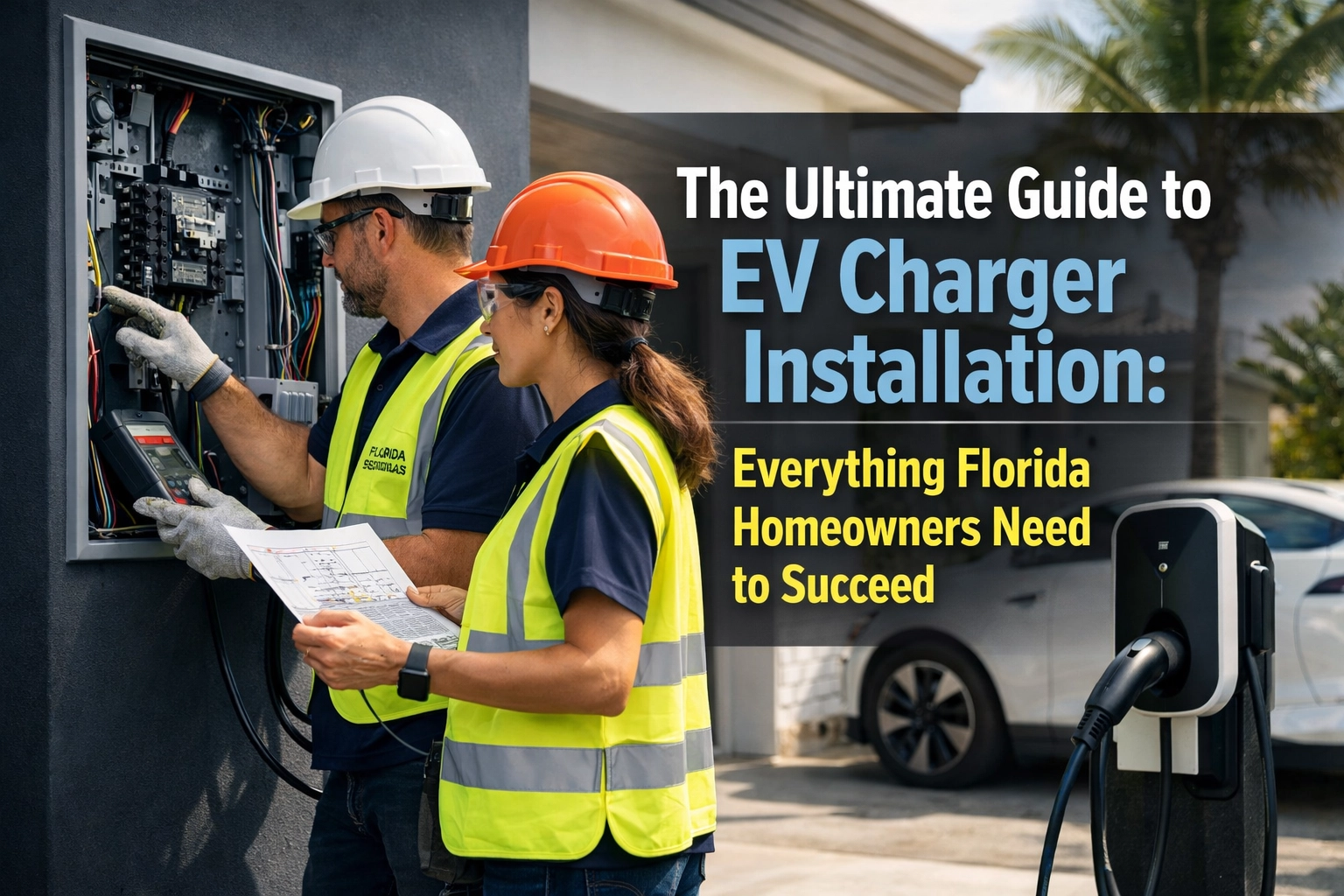
You've made the leap to electric: congrats! Whether you're driving a Tesla, Rivian, or one of the many EVs hitting Florida roads these days, you've probably realized that relying on public charging stations gets old fast. Between the wait times, compatibility issues, and the fact that you're paying premium rates to charge at peak hours, home charging just makes sense.
But here's where things get real: installing an EV charger isn't like plugging in your phone. It involves serious electrical work, Florida building codes, permits, and making sure your home's electrical system can actually handle the load. This guide walks you through everything you need to know to get your home charging setup right: and safely.
Understanding Your EV Charging Options
Not all EV chargers are created equal, and choosing the right one depends on your vehicle, driving habits, and home setup.
Level 1 Charging uses your standard 120-volt outlet. It's simple: just plug and charge: but painfully slow. We're talking 3-5 miles of range per hour. If you're only driving 20-30 miles a day, this might work. But for most Florida homeowners who actually use their EVs? Not ideal.
Level 2 Charging is where the magic happens. These chargers require a dedicated 240-volt circuit (the same type that powers your dryer or electric water heater) and deliver 12-60 miles of range per hour depending on the amperage. This is the sweet spot for most homeowners: overnight charging means you wake up with a full battery every morning.
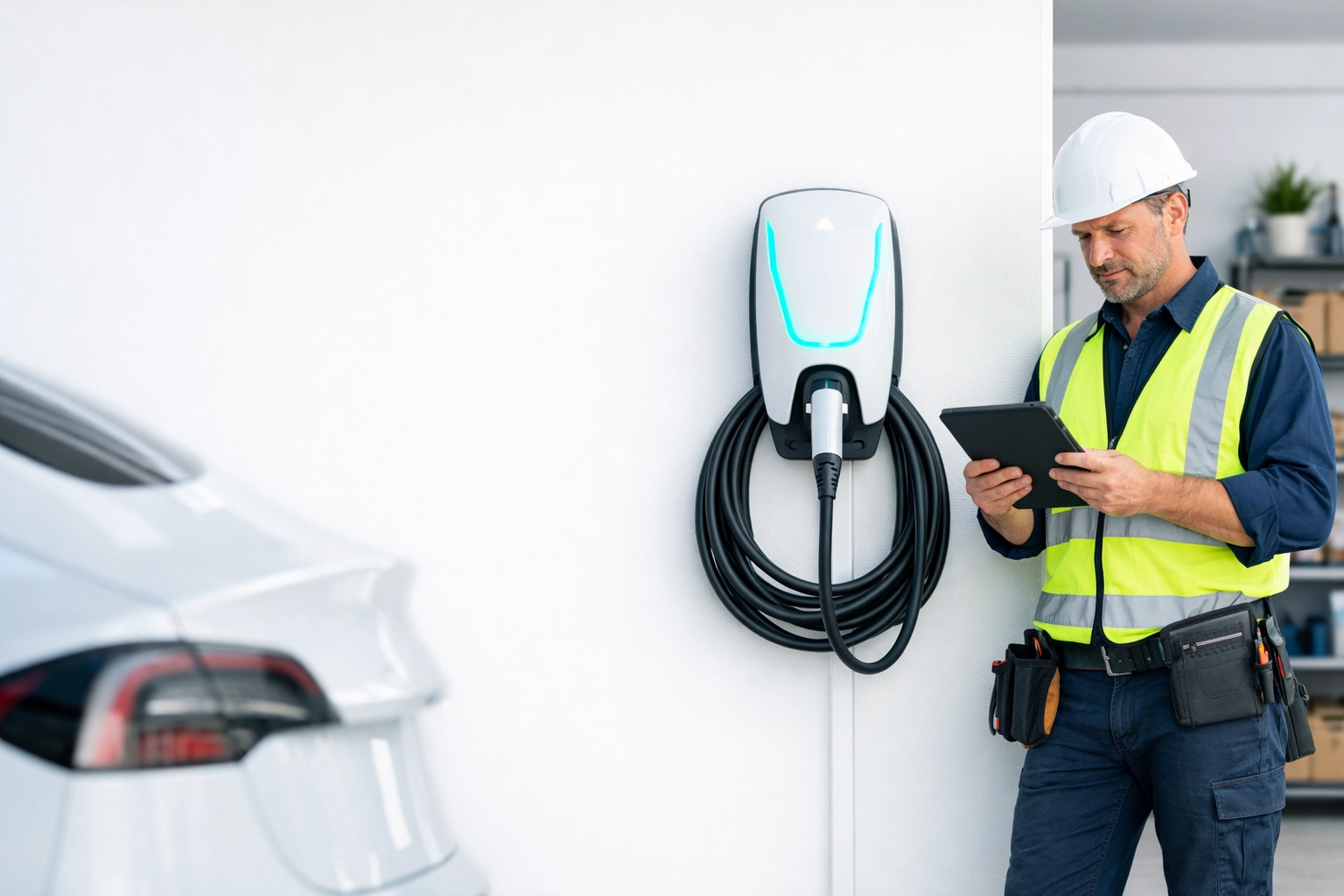
Within Level 2, you've got two installation options:
Plug-In (NEMA) Setup: The charger plugs into a dedicated 240V outlet. This gives you flexibility if you want to relocate the unit later or take it with you if you move.
Hardwired Installation: The charger connects directly to your electrical system without a plug. It's more permanent but often preferred for higher-amperage units or outdoor installations where weatherproofing is critical.
Both can be totally safe and code-compliant when installed correctly: it just depends on your charger's amperage, where you're mounting it, and whether you might want portability down the road.
Can Your Home Handle EV Charging?
Here's the thing most people don't consider: your home's electrical system has limits. Before you buy any equipment, you need to know if your home can actually support EV charging alongside everything else drawing power.
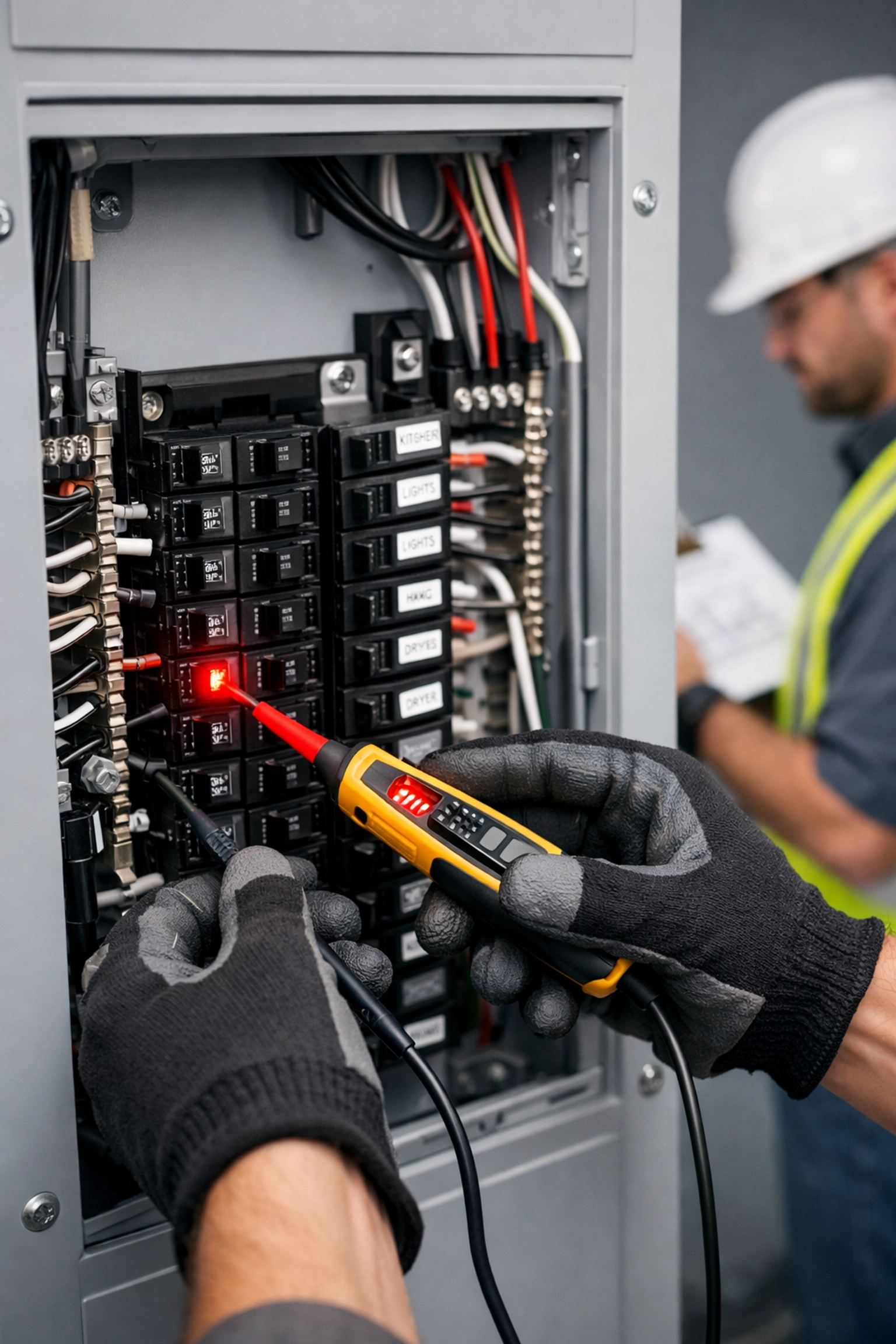
A load evaluation is essential. This assessment looks at your total electrical capacity and what's already using it: your HVAC system, water heater, pool pump, appliances, and any other major loads. In Florida, where AC runs nearly year-round and many homes have pools or hot tubs, this gets complicated fast.
Key factors a licensed electrician will evaluate:
- Panel capacity: Older Florida homes often have 100-amp or 150-amp panels. A Level 2 charger typically needs a 40-50 amp dedicated circuit, which might max out an older panel
- Available circuit space: Is there physical room in your panel for a new breaker?
- Existing loads: What's already drawing power during peak usage times?
- Infrastructure condition: Are your wiring and grounding systems up to modern standards?
If your panel can't handle the additional load, you're looking at an electrical panel upgrade before you can install your charger. It's not the news anyone wants to hear, but it's way better than overloading your system and creating a fire hazard.
What Goes Into a Professional Installation
A proper Level 2 installation requires several specific components:
Dedicated 240-Volt Circuit: This is non-negotiable. Your EV charger needs its own circuit that doesn't share power with anything else. Most installations use a 50-amp breaker, though some high-powered chargers might need 60 or even 80 amps.
Proper Wiring and Grounding: The gauge of wire matters. Undersized wiring creates heat and fire risk. Florida's electrical code specifies exact requirements based on amperage and wire run distance.
NEMA-Rated Weatherproofing: If you're installing outdoors (which many Florida homeowners do for garage or carport setups), you need proper weatherproof enclosures. Florida's humidity, rain, and salt air in coastal areas demand equipment that can handle the elements.
Surge Protection: Florida leads the nation in lightning strikes. Protecting your investment with proper surge protection isn't optional: it's essential.
Load Management Devices: For homes with limited capacity, load-sharing devices can balance demand between your charger and other major appliances, ensuring you don't trip breakers or overload your system.
The Installation Process Step-by-Step
Professional installation typically follows a clear sequence:
1. Home Electrical Evaluation: A licensed electrician assesses your panel, determines available capacity, and identifies the optimal charger location based on your electrical service and parking setup.
2. Charger Selection and Circuit Planning: Based on the evaluation, you'll select appropriate equipment and plan the dedicated circuit routing.
3. Permit Application: Your electrician handles pulling permits with your local building department: this is required throughout Florida and ensures compliance with both state and local codes.
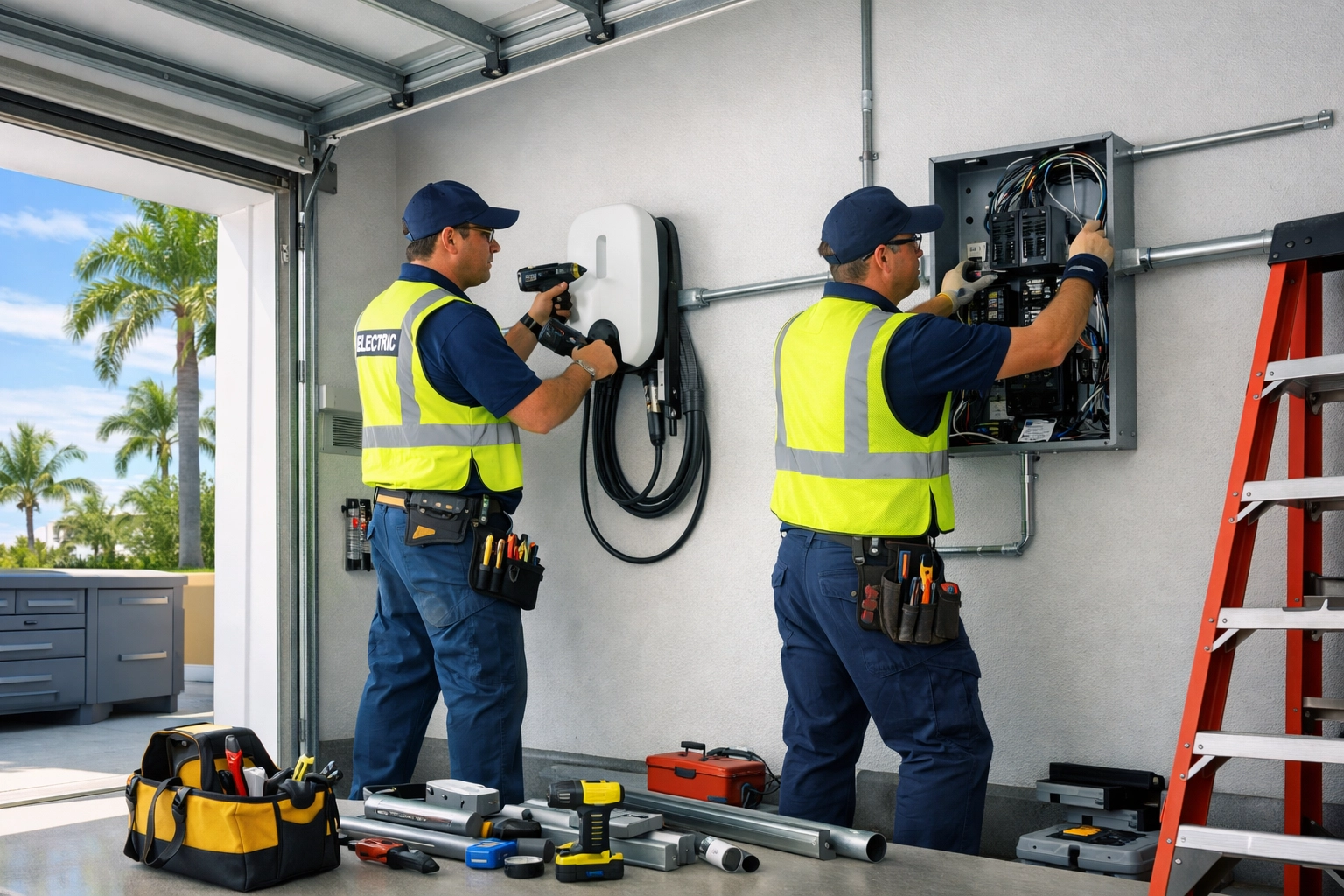
4. Installation Day: The team shuts off power at the main panel, installs the dedicated breaker, runs approved wiring through conduit, mounts your charger, and makes all connections according to code.
5. Testing and Inspection: The installation is tested for proper function, safety devices are verified, and the local inspector signs off on the work.
6. Demonstration and Handoff: You're shown how to use your charger, understand any smart features, and maintain the equipment properly.
The whole process typically takes one day for straightforward installations, though complex scenarios or panel upgrades might take longer.
Permits and Code Compliance in Florida
Let's be crystal clear: permitting is mandatory in Florida for EV charger installation. This isn't optional or negotiable.
The Florida Building Code and National Electrical Code require permits for new electrical circuits. Local building departments enforce these requirements, and many EV manufacturers (including Tesla) require proof of permitted installation to maintain warranty coverage.
Working with a licensed Florida electrical contractor ensures:
- Proper permit applications and documentation
- Installation that meets current Florida electrical code
- Coordination with local inspectors
- Final approval and sign-off
- Protection for your home, equipment, and insurance coverage
Attempting unpermitted work or DIY installation can void your equipment warranty, violate your insurance policy, create liability issues, and result in fines when discovered during home sales or insurance claims.
Why DIY Isn't Worth the Risk
We get it: there are YouTube videos showing people installing EV chargers themselves. But Level 2 EV charger installation involves high-voltage electrical work that's genuinely dangerous without proper training and experience.
Consider what's at stake:
- Personal safety: 240-volt circuits can cause serious injury or death
- Fire risk: Improper wiring, undersized circuits, or poor connections create fire hazards
- Equipment damage: Incorrect installation can destroy your $500-2,000 charger
- Code violations: Unpermitted work discovered later can complicate home sales
- Insurance issues: Many policies won't cover damage from unlicensed electrical work
- Warranty void: Most manufacturers require professional installation for warranty validity
Professional installation provides peace of mind, code compliance, proper permits, and protection for your investment and home.
Timeline and Investment
Most licensed electricians can complete EV charger installation within a single day for straightforward setups. If you need a panel upgrade or significant electrical work, expect 2-3 days.
Installation costs typically range from $500 to $2,500 depending on:
- Distance from your panel to the charger location
- Whether you need a panel upgrade
- Indoor vs. outdoor installation
- Additional weatherproofing or surge protection
- Local permit fees and inspection costs
While this might seem like a significant investment upfront, consider the long-term savings. Overnight home charging costs a fraction of public charging stations and dramatically less than gasoline. Most EV owners recoup installation costs within the first year through fuel savings alone.
Plus, a properly installed home charging station increases property value: it's becoming a sought-after feature for home buyers, especially in Florida's growing EV market.
Getting Started: Your Action Plan
Ready to get your home EV charging setup installed? Here's your roadmap:
Evaluate Your Current Electrical System: Contact a licensed Florida electrician for a load evaluation and panel assessment. Companies like Florida Electrical Specialists serve homeowners throughout the state and understand Florida-specific requirements.
Choose Your Charger: Based on your electrician's recommendations, select a Level 2 charger that matches your vehicle's capabilities and your home's electrical capacity.
Plan Your Installation: Decide on the best mounting location (garage wall, exterior carport, driveway) and whether plug-in or hardwired makes more sense for your situation.
Handle Permits and Scheduling: Let your licensed electrician pull permits and coordinate with local inspectors: they know the process and requirements for your jurisdiction.
Schedule Overnight Charging: Once installed, program your charger to operate during off-peak hours when electricity rates are lowest.
Document Everything: Keep all permits, inspection records, and installation documentation for warranty purposes, insurance records, and future home sales.
Charge Smart, Charge Safe
EV charging at home transforms how you use your electric vehicle. No more planning trips around charging stations or paying premium rates for fast charging. You simply plug in when you get home and wake up ready to drive.
But getting there safely requires proper planning, professional installation, and full code compliance. Florida's electrical requirements exist to protect homeowners, and working with experienced, licensed professionals ensures your installation meets all safety standards while delivering reliable, convenient charging for years to come.
Electrical requirements vary by jurisdiction and home configuration. Always consult with a licensed Florida electrical contractor who understands your local codes and can properly assess your home's specific needs for safe, compliant EV charger installation.