



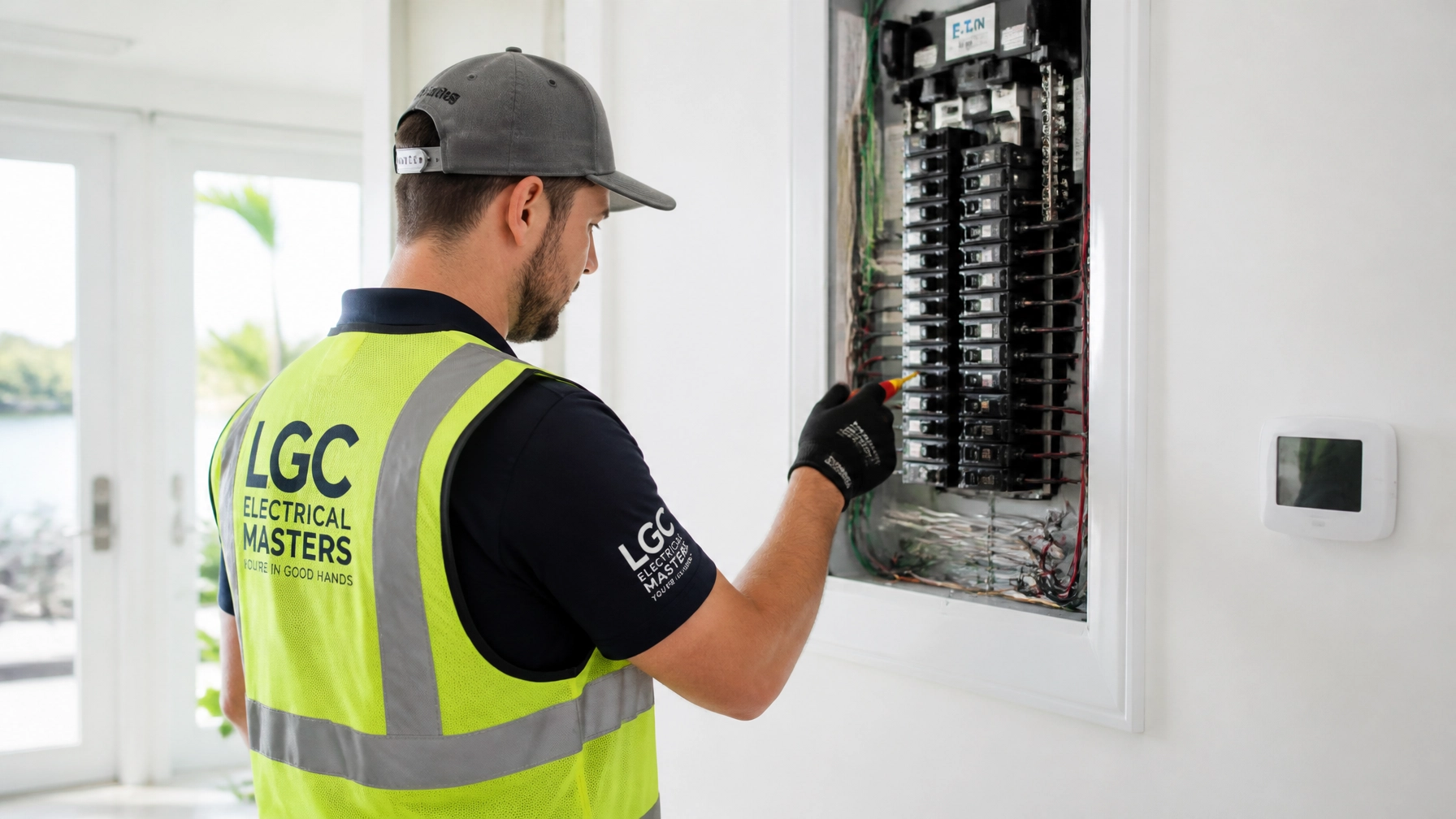
Living in the Sunshine State comes with incredible perks: year-round warmth, ocean breezes, and gorgeous tropical landscapes. But Florida’s unique climate also presents distinct challenges for your home’s electrical system. From intense humidity and heavy seasonal lightning storms to aging infrastructure in established neighborhoods, Florida homes work overtime.
When things go haywire behind your walls, it can be stressful and overwhelming. Whether you're dealing with a sudden outage or noticing subtle warning signs like warm switchplates, understanding how to spot and address common electrical issues is essential for your family's safety.
At Florida Electrical Specialists, we help property owners across the state navigate everything from minor troubleshooting to complex electrical panel replacements. Let's look at seven common household electrical problems Florida homeowners face, along with actionable tips on when it’s time to call an expert.
1. Circuit Breakers That Keep Tripping
One of the most frequent phone calls we receive from homeowners is about a circuit breaker keeps tripping. While a breaker is designed to trip occasionally to protect your home from an overload, persistent tripping is a major red flag.
In Florida homes, overloaded circuits are extremely common, especially during hot summer months when portable air conditioners, dehumidifiers, and heavy appliances run simultaneously. Other culprits include daisy-chained power strips and faulty appliance wiring.
Actionable Troubleshooting Tips:
- Unplug high-wattage devices: If a breaker trips, unplug heavy appliances (like space heaters, hair dryers, or window AC units) from that room before attempting a reset.
- Reset correctly: Go to your electrical panel, flip the affected breaker firmly to the OFF position, and then back to ON.
- Know when to stop: If the breaker trips again immediately or won't stay engaged, stop resetting it. This indicates a serious short circuit or internal wiring fault.
If you're tired of resetting breakers or need a dedicated circuit installed for heavy equipment, searching for a qualified electrician near me is your best next step to prevent potential electrical fires.
2. Dead Outlets and Failing GFCI Protection

Nothing is more frustrating than plugging in your phone charger or kitchen mixer only to find an outlet not working. In Florida homes, moisture from high humidity and heavy rainfall can infiltrate exterior, kitchen, and bathroom receptacles, leading to corrosion and failure.
Ground Fault Circuit Interrupter (GFCI) outlets are specially designed to cut power instantly when moisture or ground faults are detected, preventing severe electric shocks. However, older GFCIs can wear out over time.
Actionable Troubleshooting Tips:
- Test and reset: Locate the GFCI receptacle with the TEST and RESET buttons. Press RESET firmly to restore power.
- Check upstream breakers: Sometimes a dead outlet is tied to a tripped breaker in your main panel.
- Keep areas dry: Ensure bathroom and kitchen outlets are completely dry before operating or resetting them.
If a GFCI outlet won't hold a reset or multiple outlets remain dead across the room, you likely need professional GFCI outlet installation or professional wiring repair to restore safe operation.
3. Flickering, Dimming, or Randomly Brightening Lights
Have you ever noticed your living room lights dimming every time the refrigerator kicks on, or persistent flickering in the hallway? While a loose lightbulb is an easy fix, widespread flickering can point to deeper electrical issues within your home.
In Florida, aging utility transformers, loose main service connections, or overloaded branch circuits frequently cause voltage fluctuations.
Actionable Troubleshooting Tips:
- Tighten the bulb: Turn off the wall switch and let the fixture cool, then ensure the bulb is screwed in snugly.
- Observe patterns: Note whether the flickering happens with a single appliance or across multiple rooms and fixtures.
- Look for loose connections: Older screw terminals in switches and light fixtures can loosen over time due to thermal expansion and vibration.
If tightening bulbs doesn't solve the problem, persistent flickering is a warning sign of loose wiring connections that require professional inspection.
4. Warm, Discolored, or Buzzing Outlets and Switches
Your electrical switches and outlet covers should always remain at room temperature. If you touch a wall plate and notice it feels warm or hot to the touch: or if you spot scorch marks, discoloration, or a faint burning smell: you are facing an immediate fire hazard.
Similarly, any buzzing, crackling, or sizzling sounds coming from an outlet or switch indicate electrical arcing, where electricity jumps across loose or damaged gaps in the wiring.
Actionable Troubleshooting Tips:
- Shut off power immediately: If an outlet is warm or sparking, turn off the corresponding breaker at your panel right away.
- Do not use the receptacle: Unplug any devices connected to the affected area and keep family members away.
- Call for help: Arcing faults are a leading cause of residential electrical fires.
When you encounter sparking, burning odors, or warm switches, you need an emergency electrician who can arrive quickly to diagnose and repair the fault safely.
5. Aging Electrical Panels and Outdated Florida Wiring

Many established Florida neighborhoods feature homes built decades ago. While charming, older homes often feature outdated electrical panels (such as recalled brands like Federal Pacific, Zinsco, or Challenger) or outdated 2-wire ungrounded receptacles that cannot handle modern electronics.
Florida's humid climate accelerates corrosion inside outdoor and indoor panels, degrading breakers and bus bars over time.
Key Signs Your Panel Needs Attention:
- Your panel is warm, makes humming noises, or smells faintly of ozone or burning plastic.
- Your home still relies on fuses instead of circuit breakers.
- You are constantly juggling power strips because you lack sufficient circuits for modern household needs.
Upgrading your system with a professional electrical panel replacement or a complete electrical panel upgrade ensures your home meets current Florida electrical codes and can safely power today's high-tech lifestyles.
6. Lightning, Storms, and Voltage Surges
Florida is the lightning capital of the nation. Severe summer thunderstorms bring frequent lightning strikes and sudden power surges that can instantly fry sensitive electronics, HVAC control boards, and major kitchen appliances.
While plug-in power strips offer minor protection, they are rarely enough to stop a direct or nearby lightning strike surge.
Actionable Protection Steps:
- Unplug sensitive electronics: During intense Florida thunderstorms, unplug computers, TVs, and smart devices if you do not have whole-home protection.
- Invest in comprehensive defense: Protect your entire home investment by installing a whole house surge protector directly at your main electrical panel.
Whole-house surge protection acts as your first line of defense, clamping down on dangerous voltage spikes before they reach your appliances and wiring.
7. High-Demand Upgrades: EV Chargers and Heavy Appliances

As electric vehicles (EVs) become increasingly popular across Florida, more homeowners are installing Level 2 EV charging stations at home. At the same time, modern kitchen remodels, pool pumps, and tankless water heaters place massive demands on residential electrical systems.
Attempting to charge an EV using a standard 120V household outlet is inefficient and can overload older wiring. Furthermore, DIY installation of high-voltage circuits violates Florida building codes and poses severe safety risks.
What You Need to Know:
- Assess your current capacity: Before purchasing an EV charger, have a licensed electrician calculate your home's total electrical load.
- Professional installation: Proper EV charger installation requires dedicated 240V circuits, heavy-gauge wiring, and proper permitting to comply with local utility standards.
Collaborating with licensed professionals ensures your new high-draw equipment operates safely and efficiently without compromising your home's existing infrastructure.
Protect Your Florida Home with Florida Electrical Specialists
Electrical safety is never something to leave to guesswork. Whether you are dealing with a frustrating breaker trip, planning an electrical panel upgrade, or need an experienced 24 hour electrician for an urgent midnight issue, having a reliable professional partner makes all the difference.
Florida Electrical Specialists provides fully licensed and insured electrical services across all 67 Florida counties. From emergency repairs to routine inspections and modern installations, our team ensures every job meets rigorous Florida electrical codes.
Electrical requirements may vary by jurisdiction. Always consult local authorities or a licensed Florida electrical professional before undertaking any major electrical work.
Need expert electrical assistance in Florida? Contact Florida Electrical Specialists today for clear upfront estimates, rapid response times, and dependable craftsmanship you can trust.