



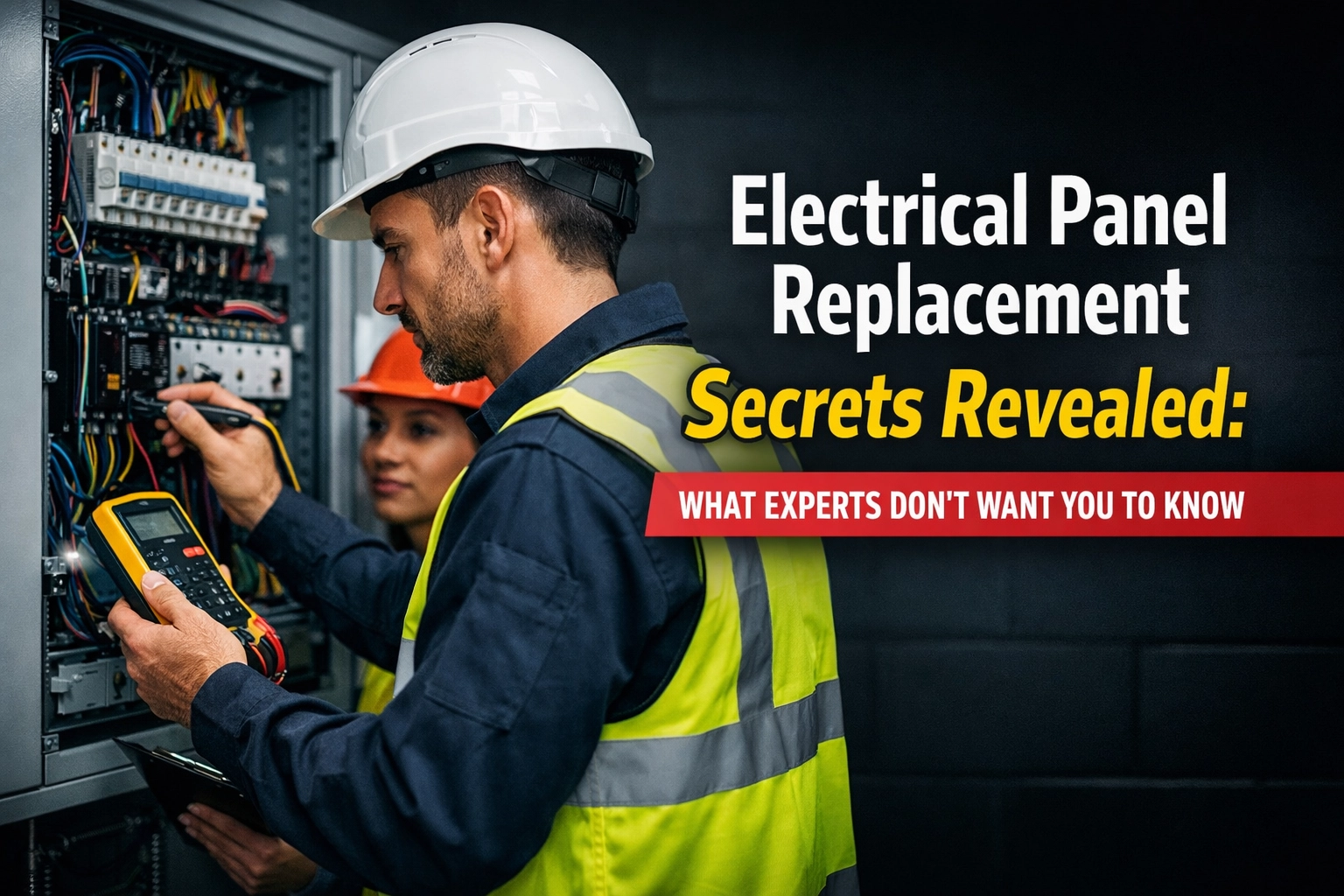
Hi there! Justin here, CEO of Florida Electrical Specialists. If you’re reading this, you’re probably staring at a circuit breaker that won’t stay on, or maybe your lights are doing a weird flickering dance every time the AC kicks in. You might have even had a guy come out and tell you that you need a total electrical panel replacement, quoting a price that made your eyes water.
Before you pull the trigger, I want to pull back the curtain. There’s a lot of "mystery" around electrical panels, and quite frankly, some of the big-box companies love it that way. They want you to think it’s a dark art that only they can perform. But here in Florida, where the salt air eats metal for breakfast and the humidity is basically a permanent resident, the "secrets" to a solid electrical system are actually pretty straightforward.
Today, we’re going to talk about what’s actually happening behind that gray metal door. We’re going to dive into the stuff that keeps your house safe, your insurance company happy, and your wallet from getting unnecessarily drained.
Secret #1: Your Insurance Company Might Be Your Electrician’s Secret Boss
In many parts of the country, an electrical panel lasts until it stops working. In Florida, your insurance carrier often decides when your panel is "dead" before it ever actually fails.
If you live in Broward County or Duval County, you’ve probably heard of the "Four-Point Inspection." Insurance companies are terrified of certain brands, specifically Federal Pacific (FPE), Zinsco, and certain Challenger panels. Why? Because they have a documented history of not tripping when they should. Instead of cutting the power during a surge, they stay on until the wires melt and start a fire.
The "Secret": Even if your panel looks pristine, if it has one of those brand names on it, you’re likely facing a non-renewal or a massive premium hike. An electrical panel upgrade isn't just about electricity; it’s about keeping your home insurable.
Secret #2: Not Every "Tripping Breaker" Requires a New Panel
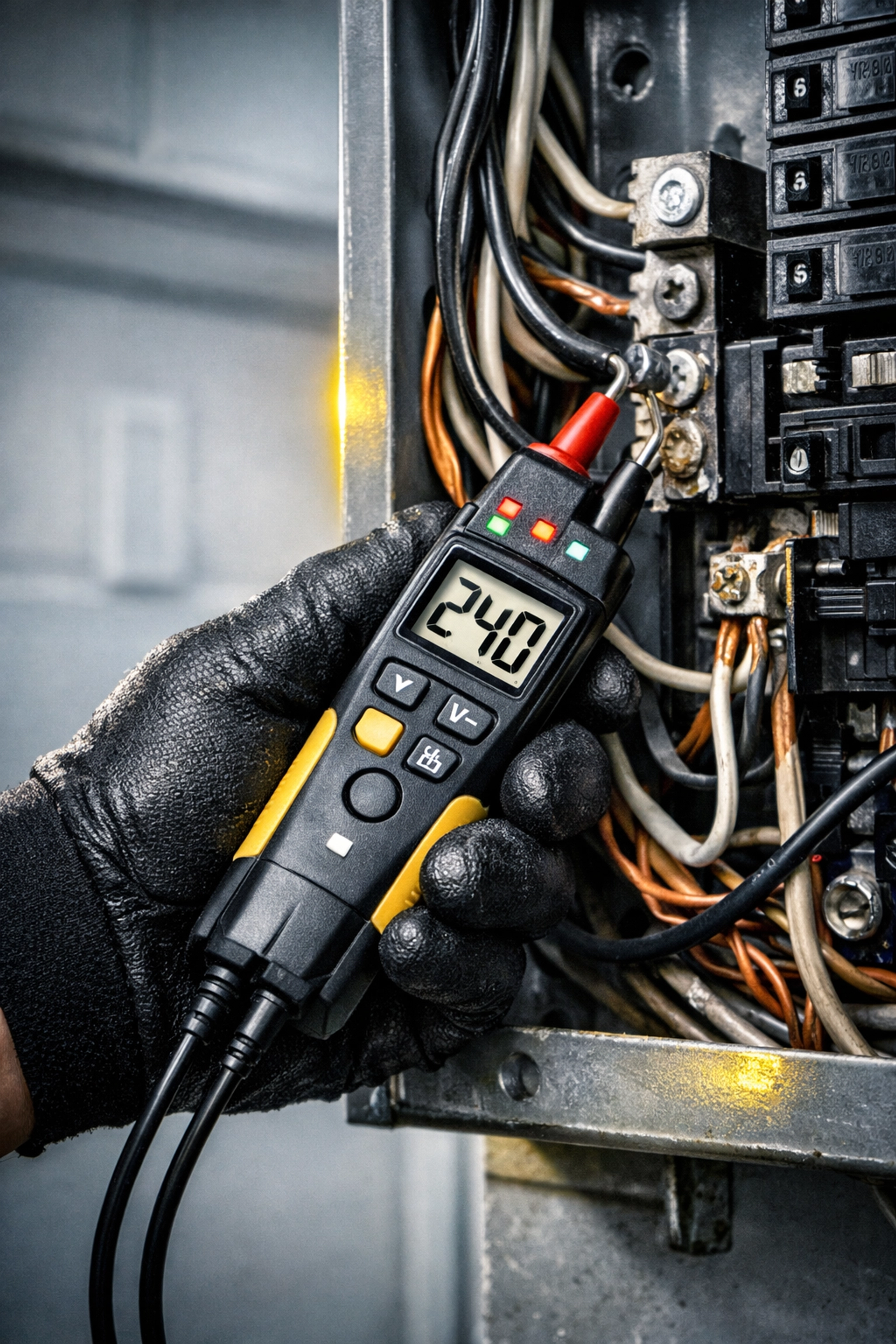
I see this all the time: a homeowner calls an emergency electrician because a circuit breaker keeps tripping. A less-than-honest contractor might tell you the whole panel is shot and needs a $3,000 replacement.
The truth? Often, it’s just a bad breaker or a "ground fault." Breakers are mechanical devices; they wear out. Or, you might have a GFCI outlet installation issue where a downstream outlet is sensing moisture and shutting down the circuit for your safety.
Before you commit to a full replacement, ask your electrician near me to perform a load calculation. If your panel is a modern 150-amp or 200-amp Square D or Eaton and it’s in good physical shape, you might just need a few hundred dollars in repairs rather than a multi-thousand-dollar replacement.
Secret #3: The "Green Crust" is the Silent Killer
Florida is a unique beast. We have high humidity and, if you’re near the coast in places like Bay County or Charlotte County, the salt air is relentless.
The secret "industry" tip here is to look for "the green crust", aka oxidation. When moisture and salt get into your panel, they cause corrosion on the copper or aluminum bus bars. This creates resistance. Resistance creates heat. Heat creates fires.
If you open your panel (carefully!) and see any green, white, or chalky buildup on the metal parts where the breakers clip in, it doesn't matter how old the panel is, it’s a ticking time bomb. This is a situation where a 24 hour electrician should be called immediately. Corrosion cannot be "cleaned off" effectively enough to restore the original safety rating of the metal.
Secret #4: You Might Not Need 200 Amps (But You Probably Want It)
A common tactic is to tell every homeowner they must upgrade to a 200-amp service. While 200 amps is the modern standard for a reason, if you have a smaller home with gas appliances, 150 amps might be plenty.
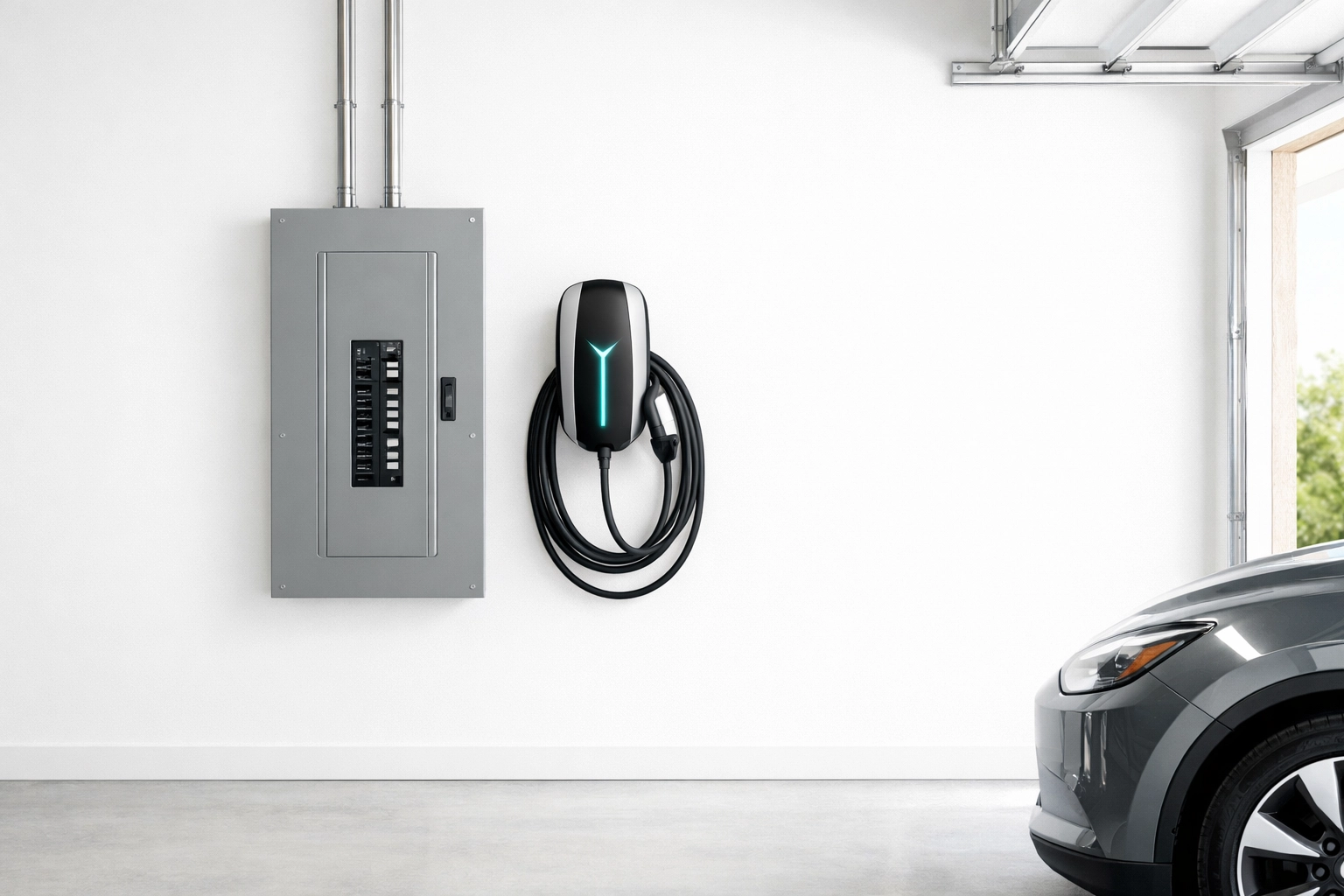
However, here’s the "pro" side of the secret: If you are considering an EV charger installation or adding a pool heater in the next five years, do the 200-amp electrical panel replacement now. The cost difference between a 150-amp and a 200-amp panel during the initial install is minimal compared to the cost of having to do it all over again in three years when you buy a Tesla.
The Hidden Danger of DIY Panel Work
I get it, we live in the era of YouTube. You can learn how to bake sourdough or fix a lawnmower in ten minutes. But let me be super clear: Electrical panel replacement is NOT a DIY project.
Inside that panel, there are "lugs", the big wires coming from the street. Those wires are always live. They do not have a breaker. If you drop a screwdriver and it touches those lugs and the side of the box, you aren't just going to get a "zap." You’re going to experience an arc flash, which is essentially a localized explosion of molten metal.
At Florida Electrical Specialists, we follow strict safety protocols and Florida Building Codes to ensure that every electrical service in Alachua County and beyond is done to the highest standard. We handle the permits, the inspections, and the coordination with the utility company (like FPL or Duke Energy) so you don't have to worry about a thing.
When Should You Worry? (The Red Flags)
If you notice any of the following, don't wait for your next scheduled maintenance. These are signs of an immediate need for professional intervention:
- The Panel is Hot to the Touch: Your panel should be at room temperature. If it feels warm or smells like burning plastic (that "fishy" smell), call a 24 hour electrician right now.
- Flickering Lights When Appliances Start: This often points to a "voltage drop," meaning your panel can't handle the "inrush" current of your AC compressor or refrigerator.
- Visible Scorch Marks: If you see black soot or burn marks around a breaker, that breaker has already failed once.
- The "Hum": A buzzing or humming sound coming from the panel usually means a breaker is trying to trip but can’t, or there’s a loose connection vibrating at 60Hz.
Protecting Your Investment: The Whole House Surge Protector
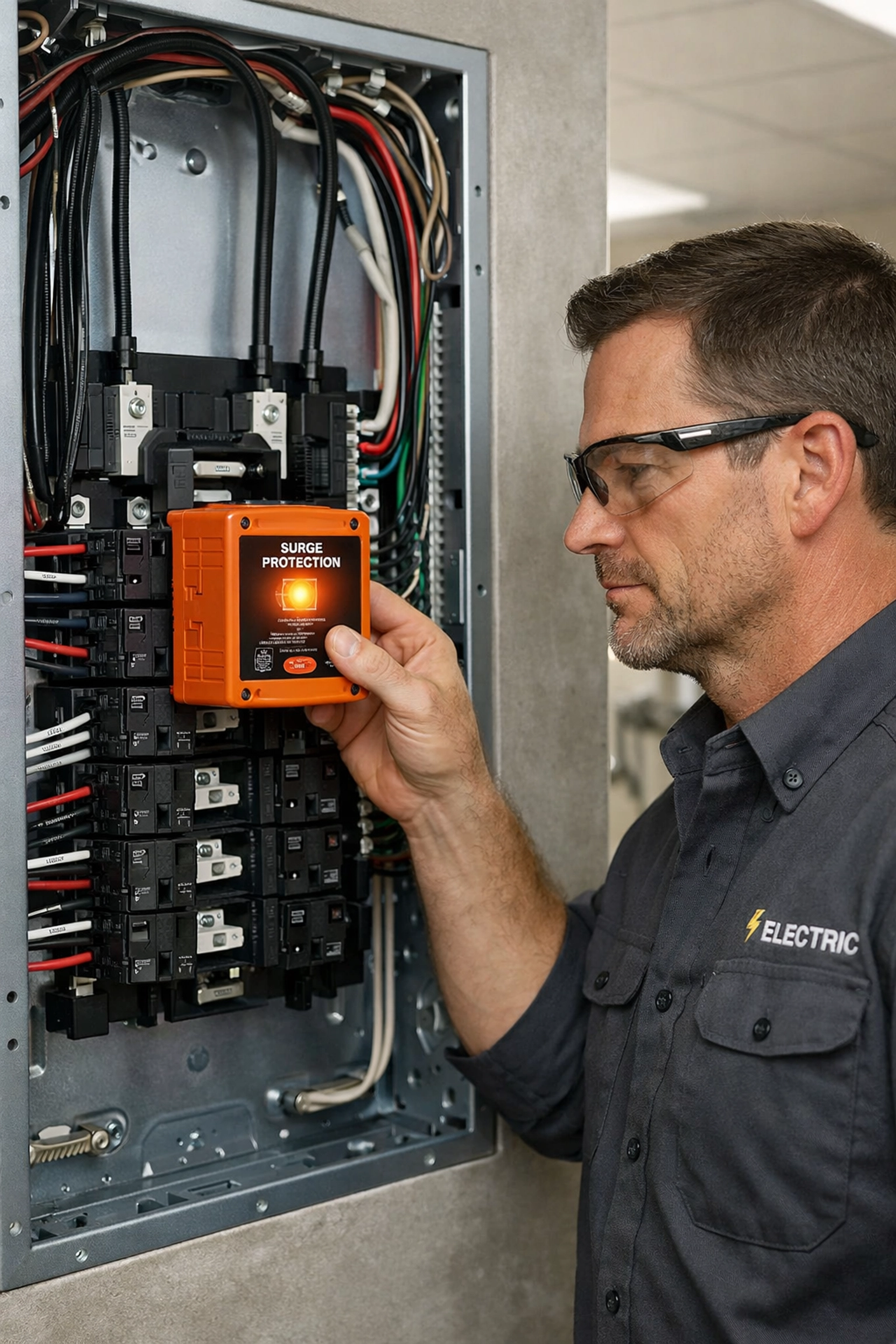
One secret many contractors forget to mention is that Florida is the lightning capital of the U.S. A new panel is a big investment. Why would you install a brand-new $3,000 panel and not spend the extra couple hundred bucks for a whole house surge protector?
Standard power strips are great for your TV, but they don't protect your fridge, your HVAC system, or your new smart stove. A panel-mounted surge protector is your first line of defense against the daily surges we get from Florida thunderstorms.
What Does a Quality Replacement Actually Cost?
I won't give you a "fake" low-ball number just to get you to call. In Florida, a professional electrical panel replacement typically ranges from $1,800 to $4,500.
Why the big range?
- Permit fees: These vary by county, from Clay County to Escambia County.
- Service Mast Issues: If your exterior pipe (the mast) is rusted or too short for current codes, it has to be replaced too.
- Grounding: Modern codes require two 8-foot ground rods driven into the earth. If your old house only had one (or none!), that’s extra labor.
- AFCI/GFCI Breakers: New Florida codes require "Arc Fault" breakers in most living areas. These breakers cost $50-$70 each, whereas old-school breakers cost $10. If your home has 20 circuits, that’s $1,000 just in breakers!
The Florida Electrical Specialists Promise
We know that dealing with electrical issues is stressful. Our goal isn't to sell you the most expensive thing on the menu; it's to make sure your family is safe and your home is up to code. Whether you're a homeowner in Brevard County dealing with an outlet not working, or a realtor in Collier County needing a quick panel swap to close a deal, we've got your back.
FAQs About Panel Replacement
Q: How long does it take?
A: Usually 4 to 8 hours. Your power will be off during this time, so plan for the kids to be out and the fridge to stay closed!
Q: Do I need a permit?
A: Yes. In Florida, replacing a panel without a permit is illegal and can lead to massive fines or issues when you try to sell your home. Plus, the inspection ensures the work was done safely.
Q: Will it fix my flickering lights?
A: Most of the time, yes. If the issue is inside the panel or at the main lugs, a replacement is the cure.
Wrapping It Up
Don't let the "secrets" of the industry keep you in the dark, literally. Your electrical panel is the brain of your home. If it’s old, corroded, or a "forbidden" brand, it’s time to look into an upgrade.
Working with a licensed Florida electrical contractor can help ensure code compliance and avoid costly inspection failures. Florida Electrical Specialists helps property owners navigate permits, inspections, and electrical code requirements statewide.
If you’re worried about your panel, give us a shout. We’ll give you a straight answer, a fair price, and the peace of mind that comes with knowing your home won't go "poof" in the night.
Stay safe, Florida!
: Justin
CEO, Florida Electrical Specialists
Disclaimer: Electrical requirements may vary by jurisdiction. Always consult local authorities or a licensed Florida electrical professional before performing work.