



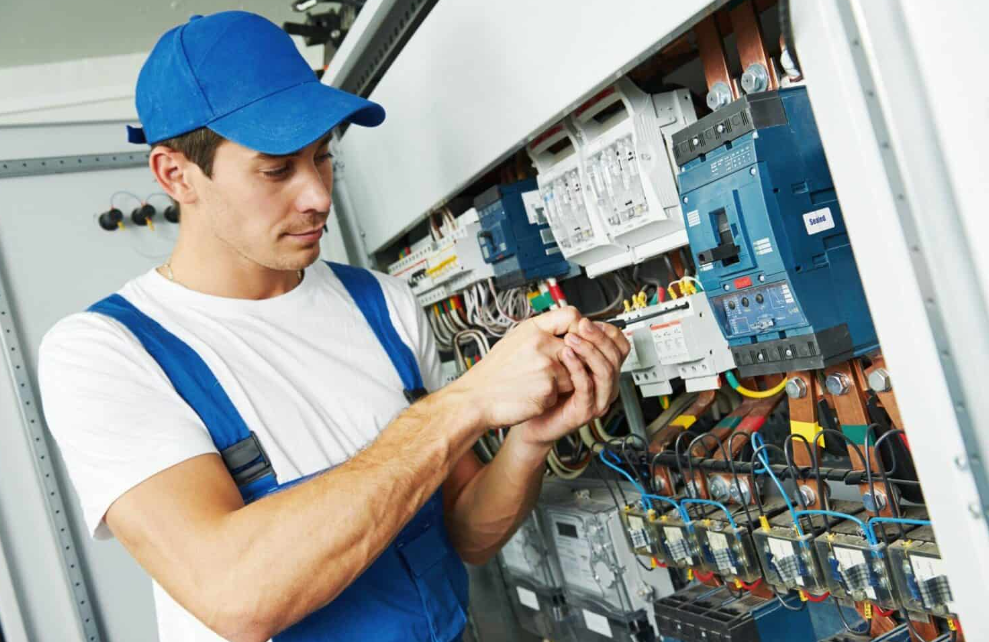
Every commercial buildout or renovation relies heavily on a dependable power infrastructure. Whether you are opening a new retail store in Tampa, expanding an industrial warehouse in Orlando, or updating an office park in South Florida, your electrical system powers daily operations, safety networks, and specialized machinery.
Executing a commercial electrical project requires careful strategy, technical precision, and strict adherence to regional safety standards. Proper planning, clear communication, and strict code compliance drastically reduce safety hazards, eliminate unexpected cost overruns, and prevent catastrophic power failures.
Why Expert Electrical Project Management Matters
Managing a commercial electrical upgrade is far more complex than simple wire-pulling. Commercial facilities handle heavy power loads, three-phase power requirements, complex emergency backup networks, and specialized lighting systems. Partnering with a dedicated electrical project manager ensures your timeline stays intact and your facility stays fully operational.
Preventing Safety Hazards
Poorly calculated electrical loads or outdated switchgear create massive safety risks, including electrical fires, arc flashes, and equipment burnout. Professional project managers calculate exact load calculations, establish proper grounding systems, and ensure every circuit breaker is correctly rated for its intentional draw.
Controlling Costs and Timelines
Scope creep and hidden infrastructure flaws can quickly throw a commercial budget off track. Expert electrical managers perform thorough initial audits to identify potential bottlenecks before work begins. This proactive approach eliminates expensive change orders and keeps installation crews moving according to schedule.
Ensuring Full Code Compliance
Commercial electrical installations in the Sunshine State must navigate both local municipal guidelines and regional mandates. Adhering to the National Electrical Code (NEC) alongside the Florida Building Code ensures your facility passes municipal inspections on the first attempt, preventing delayed certificates of occupancy.
Best Practices and Strategic Tips for Commercial Clients
To keep your commercial power upgrade running smoothly, facility managers and business owners should follow these industry best practices.
1. Recognizing the Signs of Outdated Electrical Systems
Delaying necessary infrastructure updates puts your business at risk of unplanned downtime. Inspect your property for these critical warning signs:
- Frequent Breaker Trips: If panel breakers trip regularly during standard business hours, your current system cannot handle your operational load.
- Flickering or Dimming Lights: Fluctuation in lighting output often indicates voltage drops or overloaded branch circuits.
- Excessive Heat or Buzzing Sounds: Switchboards, main panels, and disconnect switches should never emit heat, burning odors, or buzzing noises.
- Obsolete Fuse Boxes or Federal Pacific Panels: Outdated service equipment lacks modern safety features and struggles to meet contemporary power demands.
Learn more about identifying equipment issues by reading our guide on identifying panel upgrades.
2. Planning Timelines for Major Upgrades
Commercial electrical work involves distinct phases that must align with your overall construction schedule. A standard commercial rewiring or panel replacement project follows this sequence:
- Phase 1: Initial Load Audit and System Design (1 to 2 Weeks)
Engineers assess current infrastructure, establish total power requirements, and draft blueprint schematics. - Phase 2: Permitting and Utility Coordination (2 to 4 Weeks)
Plans are submitted to municipal authorities for review while coordination begins with local utility providers for service drops or transformer upgrades. - Phase 3: Rough-In and Conduit Run Installation (1 to 3 Weeks)
Technicians run heavy-duty conduit, pull main service lines, and set subpanels before wall coverings go up. - Phase 4: Equipment Set, Trim-Out, and Testing (1 to 2 Weeks)
Fixtures, specialized machinery connections, switchgear, and emergency systems are wired and thoroughly tested. - Phase 5: Final Inspection and Sign-Off (3 to 5 Days)
Local building inspectors verify that all installations meet NEC standards and state building rules before main energization.
3. Selecting Commercial-Grade Equipment
Specifying the right hardware early prevents premature equipment failure:
- High-Efficiency LED Fixtures: Commercial LED systems reduce monthly energy costs while lowering heat generation, relieving stress on your commercial HVAC setup.
- Commercial EV Charging Stations: Adding Level 2 or DC Fast Chargers attracts tech-savvy employees and customers while boosting property value.
- Industrial Surge Protection Devices: Tropical storms bring frequent lightning strikes. Installing Type 1 or Type 2 surge protectors at main service panels guards sensitive electronics, server racks, and automated machinery from destructive voltage spikes.
Discover how specialized upgrades increase property efficiency on our commercial electrical services page.
4. Scheduling Regular Safety Inspections
Electrical systems deteriorate over time due to thermal expansion, continuous loads, and environmental humidity. Routine preventative maintenance audits help pinpoint loose connections, corroded busbars, and unbalanced phase loads before they turn into emergency power outages.
For emergency repair support, bookmark our emergency electrical services page.
Navigating Florida Climate Demands and NEC Requirements
Operating a business in a humid, storm-prone environment requires specialized electrical engineering. High ambient temperatures, salt air corrosion along coastal zones, and frequent summer lightning storms require targeted protective measures.
Heavy Weather and Surge Mitigations
- NEC Article 242: Dictates proper placement and installation of surge protective devices (SPDs) to shield internal circuitry from direct lightning strikes and grid fluctuations.
- NEMA Rated Enclosures: Outdoor switchgear, disconnects, and subpanels must utilize NEMA 3R or NEMA 4X weather-resistant enclosures to prevent water intrusion and rust accumulation.
- Commercial Generator Interlocks: NEC Article 700 requires dedicated automatic transfer switches (ATS) for critical safety lighting and power backup systems during severe weather events.
To review regional licensing requirements or safety updates, refer to the Florida Department of Business and Professional Regulation or inspect national life safety guidelines through the National Fire Protection Association (NFPA).
Practical Case Study: Commercial Panel Modernization
A retail strip mall in Central Florida experienced persistent power flickering and unexpected breaker trips across three rental units. The original 400-amp main distribution panel was installed decades ago and was no longer equipped to handle modern commercial refrigeration, POS systems, and high-intensity ambient lighting.
The Solution
The property management firm partnered with licensed electrical project managers to execute a structured retrofit:
- Conducted a comprehensive thermal imaging audit to isolate high-resistance connections and overloaded circuits.
- Coordinated with the local utility company to upgrade the service drop from 400 amps to an 800-amp three-phase supply.
- Replaced the aging panel with a modern NEMA-rated distribution center, complete with integrated primary surge protection.
- Installed dedicated subpanels for each commercial tenant to isolate heavy equipment loads.
The Outcome
The project was completed over a single weekend, minimizing tenant disruption. The upgrade completely eliminated power flickering, cleared all municipal code violations, and expanded electrical capacity to support future tenant expansion.
Clear Technical Communication: How to Prepare for Your Electrician
Clear communication between facility managers and technical staff prevents misunderstandings and accelerates project timelines. When reporting issues or planning an upgrade, keep these details ready:
- Document Specific Symptoms: Note exact times, locations, and equipment involved when flickering, breaker trips, or strange odors occur.
- Gather Building Electrical Schematics: Provide existing floor plans, panel schedules, and single-line diagrams whenever possible.
- Define Future Power Needs: Inform your electrical team of planned equipment purchases, server room additions, or EV charger installations so they can size your system for long-term growth.
Meet Florida Electrical Specialists: Your Trusted Partner
At Florida Electrical Specialists, we bring years of hands-on expertise, professional licensing, and an unwavering commitment to quality on every jobsite. We understand the specific demands that local climate conditions place on commercial power grids, and we design systems built to last.
Who We Are
Florida Electrical Specialists is a fully licensed and insured master electrical contractor dedicated to delivering top-tier electrical craftsmanship across the state. Our certified technicians prioritize customer safety, code compliance, and structural efficiency on every commercial buildout and service call.
Learn more about our core values on our About Us page.
Our Core Services
We offer a full spectrum of electrical solutions tailored to commercial facilities, multi-family units, and residential properties:
- Commercial and Industrial Power Distribution
- Main Switchgear and Panel Upgrades
- Whole-Facility Surge Protection
- Commercial Interior and Exterior LED Retrofits
- EV Charging Infrastructure Installation
- 24/7 Emergency Repairs and Safety Inspections
Flexible Financing Options
Capital investments should never stand in the way of essential safety updates or facility growth. We offer custom financing packages to help business owners manage the costs of major power overhauls, transformer additions, and rewiring projects with manageable monthly installments.
Related Reading
- Upgrading to LED Lighting: Energy Savings Explained
- The Ultimate Guide to Whole Home Surge Protection
- Generator Safety and Storm Preparedness for Florida Homeowners
Conclusion
Managing a successful commercial electrical project requires strategic site audits, precise load planning, and absolute adherence to state and national codes. By taking a proactive approach to panel maintenance, surge protection, and equipment selection, business owners can protect their structural investments, lower operational expenses, and maintain reliable power for years to come. When you are ready to upgrade your facility’s power infrastructure, Florida Electrical Specialists is here to guide your project from initial design to final energization.
At Florida Electrical Specialists, we specialize in powering your vision with precision and safety. From high-end custom lighting designs to premium electrical upgrades, our expert team is dedicated to delivering exceptional craftsmanship and unmatched reliability in every project. Don’t settle for ordinary electrical work when your home or business deserves extraordinary care and professional expertise.
For consultations or to secure your property’s electrical future today, contact us at Florida Electrical Specialists!