



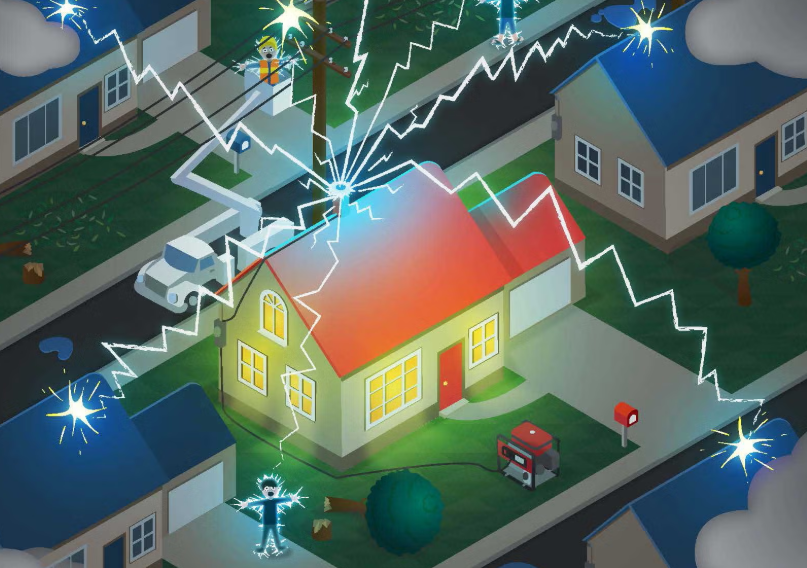
Living in Florida means enjoying sunshine most of the year, but it also means bracing for tropical storms and hurricane season. When strong winds and heavy rains knock out the grid, a backup generator keeps your lights on, food fresh, and air conditioning running. However, operating a high wattage generator without proper precautions introduces major risks like carbon monoxide poisoning, electrical fires, and severe power surges.
Preparing your home for severe weather requires more than buying a generator from a big box store. It demands proper planning, strict code compliance, and reliable electrical project management to keep your family safe when severe weather strikes.
The Role of Expert Electrical Project Management
Installing backup power or upgrading your electrical system is not a quick weekend project. Proper electrical project management ensures every stage of installation meets local standards, stays on budget, and prevents sudden power failures.
STORM PREPAREDNESS WORKFLOW |
|---|
| 1. System Assessment –> Evaluate current panel capacity |
| 2. Load Calculation –> Match generator size to energy needs |
| 3. Code Compliance –> Apply NEC & Florida Building Codes |
| 4. Professional Install –> Connect interlock or transfer switch |
When professionals manage your electrical upgrades, you benefit from:
- Clear Communication: Detailed project timelines so you know exactly when work starts and finishes.
- Code Compliance: Full alignment with the National Electrical Code (NEC) and the Florida Building Code, avoiding costly fines or failed inspections.
- Cost Control: Accurate upfront estimates that prevent unexpected expenses midway through the project.
- Safety Assurance: Proper sizing and wiring that prevent circuit overloads, fire risks, and equipment damage.
Essential Generator Safety Rules for Florida Storm Season
Portable and whole home generators bring tremendous relief during extended outages, but using them incorrectly can turn deadly. Following these core best practices keeps your household safe.
1. Never Run a Generator Indoors or in Enclosed Spaces
Portable generators produce high levels of carbon monoxide, an odorless and colorless gas. Always operate portable units outdoors, positioned at least 20 feet away from windows, doors, and open vents. Never run a generator inside a garage, porch, or carport.
2. Install a Manual Transfer Switch or Interlock Kit
Plugging a generator directly into a standard wall outlet creates a lethal hazard known as backfeeding. Backfeeding sends electricity back down utility lines, creating extreme danger for utility workers trying to restore power.
Under NEC Article 702, standby systems must use an approved transfer switch or interlock panel to physically isolate your home electrical system from the main grid during generator operation.
3. Choose the Right Surge Protection
When grid power returns, it often arrives with a massive voltage spike. Installing whole-home surge protection at your main breaker panel shields your electronics, HVAC equipment, and appliances from damaging electrical surges.
Actionable Electrical Tips for Homeowners
Storm preparedness extends beyond generator installation. Ensuring your home electrical system can handle heavy demand is vital for year round safety.
Recognizing Signs of an Outdated Panel
If your home is over 20 years old, your main electrical panel may struggle to support modern power needs or backup generators. Watch for these warning signs:
- Frequently tripped circuit breakers or blown fuses
- Flickering or dimming lights when major appliances turn on
- Warm panel covers, burning smells, or buzzing sounds
- Outdated panels from brands like Federal Pacific or Zinsco, which carry documented safety risks
If you notice any of these signs, consider scheduling a panel upgrade before hurricane season hits peak activity.
Timeline for Major Electrical Upgrades
Planning ahead gives you plenty of time to complete upgrades before a storm arrives:
- Panel Upgrades: Typically take 1 to 2 days, including permitting and inspection.
- Whole-Home Generator Installation: Usually takes 2 to 4 weeks, accounting for equipment delivery, gas lines, electrical connections, and city permits.
- EV Chargers and Dedicated Circuits: Completed within a single day.
Communicating Issues to Your Electrician
When calling a professional, note specific details like which breaker trips, how often the issue occurs, and whether it happens when specific appliances run. Clear information helps technicians diagnose the root cause faster and reduces labor hours.
Real World Example: Overcoming DIY Hazards
A homeowner in Tampa attempted to connect a portable generator using an improvised double male plug plugged straight into a garage outlet. During an outage, this illegal backfeeding attempt scorched the main panel wiring, fried the home HVAC control board, and narrowly avoided starting an attic fire.
Our team stepped in to replace the ruined main panel, install a code compliant manual transfer switch, and add a dedicated outdoor inlet box. The homeowner now powers essential circuits with the flip of a single switch, completely risk free.
At Florida Electrical Specialists, we serve residential and commercial clients across Florida with top tier electrical solutions built to withstand harsh tropical climates.
Who We Are
We are a team of fully licensed and insured master electricians dedicated to keeping Florida homes safe, modern, and energy efficient. With years of hands-on experience navigating local weather demands and strict building codes, we deliver honest advice and dependable workmanship. Learn more about our company background on our About Us page.
Our Core Services
We handle everything from minor repairs to complete electrical overhauls:
- Residential Electrical: Full rewiring, outlet replacement, and interior lighting.
- Commercial Services: Power distribution, maintenance contracts, and code compliance audits.
- Emergency Electrical Services: Rapid response for urgent safety threats via our Emergency Services team.
- Generator & Transfer Switch Installs: Safe standby power connections tailored to your wattage needs.
- EV Charger Installation: Dedicated Level 2 chargers for modern electric vehicles.
Flexible Financing Options
Major electrical projects should fit your budget without forcing you to compromise on family safety. We offer simple financing options with flexible payment plans so you can upgrade your panel or prepare for storm season immediately.
External Resources for Home Safety
Stay informed by exploring official safety guidelines from trusted industry organizations:
- Review national electrical safety standards at the National Fire Protection Association (NFPA).
- Verify licensing standards through the Florida Department of Business and Professional Regulation (DBPR).
- Learn about appliance efficiency and power management at Energy.gov.
Related Posts
- The Ultimate Guide to Whole Home Surge Protection
- Capacity Matters: Why an Electrical Panel Upgrade Is Key to Your Florida Home’s Safety
- Upgrading to LED Lighting: Energy Savings Explained
Summary and Conclusion
Storm preparedness in Florida demands proactive planning and high electrical standards. Portable generators offer lifesaving power during severe weather, but using them safely requires professional transfer switches, proper placement, and robust surge protection. Inspecting your electrical panel early, recognizing signs of wear, and relying on qualified professionals ensures your home stays powered through every storm.
At Florida Electrical Specialists, we specialize in powering your vision with precision and safety. From high-end custom lighting designs to premium electrical upgrades, our expert team is dedicated to delivering exceptional craftsmanship and unmatched reliability in every project. Don’t settle for ordinary electrical work when your home or business deserves extraordinary care and professional expertise.
For consultations or to secure your property’s electrical future today, contact us at Florida Electrical Specialists!